
KEMETIC MINDS
Cybersecurity & Scam Daily Briefing — August 20, 2026
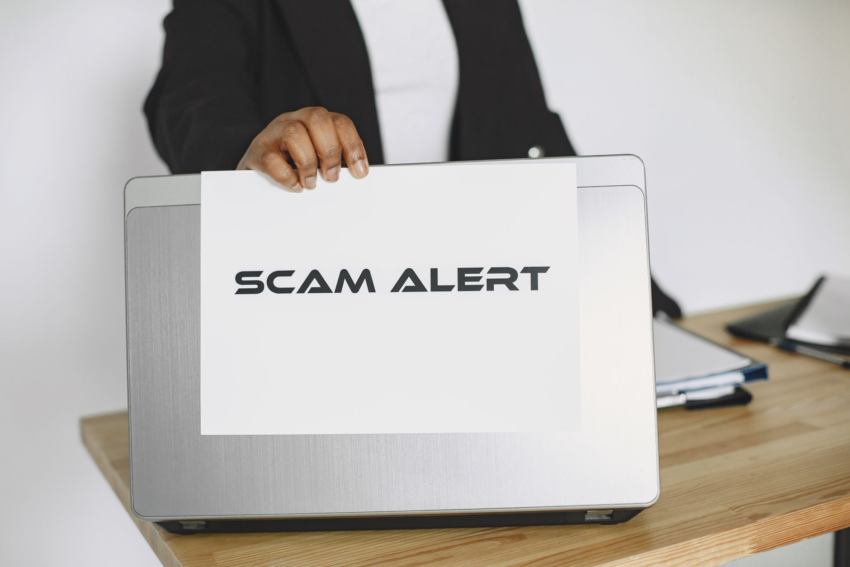
Photo: Gustavo Fring via Pexels (source)
- Cl0p named more than 40 victims in a PTC Windchill ransomware campaign (SecurityWeek, 2026).
- A 35GB dataset allegedly tied to Stripe customers hit a cybercrime forum (Cybernews, 2026).
- Advisory: energy, water, wastewater, and chemical facilities face potential attacks (Bing News, 2026).
- A school district flagged phishing texts abusing its name and logo (Bing News, 2026).
- Identity theft research covers laws, crimes, and real victims (Stafford, 2004, Journal of Consumer Affairs).
1. U.S. Water Supply Attack Warning
Watch how a real fake water security advisory unfolds — and the red flags that give it away.
An advisory issued a major warning over potential attacks on the U.S. water supply (Bing News, 2026).
The targeted infrastructure includes energy, water, wastewater, and chemical facilities (Bing News, 2026).
How to Avoid This Scam
- Report suspicious people or activity near water, energy, or chemical facilities to the utility or local police.
- If you get a warning that your water is unsafe, verify it through your official water utility or local government before acting.
- Keep a small emergency water supply and follow official boil-water or contamination notices.

2. School Phishing Text Uses District Name and Logo
Watch how a real fake school district alert unfolds — and the red flags that give it away.
Marion C Early School District warned the public about a phishing text message (Bing News, 2026). Phishing is a fake message that tries to trick you into clicking a link or giving up personal information.
The text uses the district’s name and logo to look legitimate (Bing News, 2026).
How to Avoid This Scam
- Don’t click links or reply if a text claims to be from your child’s school — call the office using a number you already have.
- Check the sender’s number and watch for urgent or payment demands; real school messages rarely arrive as random texts.
- Forward the message to the school district so staff can warn other families.
- Report the text to your phone carrier as spam.

3. Stripe Data Leak: 35GB of Customer Data
Watch how a real breach-data phishing lure unfolds — and the red flags that give it away.
Cybernews reports a 35GB dataset allegedly linked to Stripe customers surfaced on a cybercrime forum (Cybernews, 2026).
The dataset allegedly contains business records, customer data, transaction logs, and API keys (Cybernews, 2026). An API key is a digital password that lets software connect to an account — a leaked one can let criminals act as a legitimate business.
How to Avoid This Scam
- If you run a business using Stripe, rotate API keys now and revoke any you didn’t create.
- Review transaction logs and business records for activity you don’t recognize.
- Ignore unsolicited “we can help you after the breach” messages — scammers follow big leaks.
- Change passwords on any accounts that share the same email or payment details.
4. Cl0p Ransomware Group Names 40+ Victims
Watch how a real bogus ransomware extortion unfolds — and the red flags that give it away.
Cl0p named more than 40 victims in its PTC Windchill campaign (SecurityWeek, 2026). Ransomware is harmful software that locks up files or systems until a payment is made.
Expect scammers to send fake breach notices after a victim list goes public — treat every unsolicited message with suspicion.
How to Avoid This Scam
- If your employer is named as a victim, rely on official company announcements — not unsolicited emails or texts.
- Treat unexpected password-reset messages as suspicious whenever ransomware makes headlines.
- Back up personal files separately so a lockout can’t hold your photos and documents hostage.
5. Ransomware Recovery Guidance From Nozak Consulting
Watch how a real fake ransomware recovery service unfolds — and the red flags that give it away.
Nozak Consulting recovered client websites after a ransomware attack and shared guidance for business owners (The National Law Review, 2026).
The lesson for families who run or buy from small business websites: recovery starts before the attack happens.
How to Avoid This Scam
- If you own or run a website, confirm clean backups exist that are separate from the live site.
- Write down a recovery plan before an attack: who to call, which systems matter most.
- Limit website logins to people who need them and use strong authentication on those accounts.
- Talk to a security or legal expert before ever paying a ransom demand.
What the Research Actually Says
Identity theft is more than a headline — a 2004 study in the Journal of Consumer Affairs examined it through the lens of laws, crimes, and victims (Stafford, 2004, Journal of Consumer Affairs). When a leak like the alleged Stripe dataset exposes customer data, the real risk is identity theft that outlives the news cycle.
Passwords only work if the check behind them works. A study in Computers & Security analyzed password authentication schemes based on authentication tests — the checks a system runs to confirm the person typing the password is the real account owner (Jiang et al., 2004, Computers & Security).
A 2024 study in the International Journal of Science and Research analyzed cloud-based ransomware attacks on U.S. financial institutions, focusing on the tactics attackers use and the countermeasures that can stop them (Dopamu, 2024, International Journal of Science and Research).
Together, the research points one way: modern families need real password checks, identity monitoring, and countermeasures ready before an attack — not after.
Today’s Family Safety Checklist
- After any breach headline, check bank accounts and credit reports for signs of identity theft (Stafford, 2004, Journal of Consumer Affairs).
- Turn on any extra authentication check your bank or email provider offers, since password schemes rely on the check behind them (Jiang et al., 2004, Computers & Security).
- Keep family photos and key documents backed up on a separate drive so ransomware can’t hold them hostage (Dopamu, 2024, International Journal of Science and Research).
- Before acting on any alarming message — a water warning, a breach alert, a school text — verify it through a phone number or website you already know is real.
SUPPORT KEMETIC MINDS
Enjoying this coverage? Back the work and find every way to connect with us in one place.
Support the Page →Kemetic Minds Analysis
Today’s briefing pulled from 5 news sources and 3 peer-reviewed studies. Today’s strongest research signal comes from Journal of Consumer Affairs (2004), cited 4 times — the kind of study worth weighing more heavily than a single news anecdote. The pattern worth watching isn’t any single scam headline — it’s whether today’s news matches what the research already predicts about who gets targeted and what actually reduces risk, or whether it’s a genuinely new variant the literature hasn’t caught up to yet.
References
- Bing News. (2026, August 19). Major warning issued over potential attacks on U.S. water supply. msn.com
- Bing News. (2026, August 20). Marion C Early School District warns of phishing text message. msn.com
- Bing News. (2026, August 19). Fintech giant Stripe faces alleged data breach as customer information leaks. cybernews.com
- SecurityWeek. (2026, August 19). Cl0p Ransomware Group Names Over 40 Victims of PTC Windchill Campaign – SecurityWeek. news.google.com
- The National Law Review. (2026, August 19). Nozak Consulting Recovers Client Websites After Ransomware Attack, Shares Guidance for Business Owners – The National Law Review. news.google.com
- STAFFORD (2004). Identity Theft: Laws, Crimes, and Victims. Journal of Consumer Affairs. doi.org/10.1111/j.1745-6606.2004.tb00863.x
- Jiang, Pan, Li (2004). Further analysis of password authentication schemes based on authentication tests. Computers & Security. doi.org/10.1016/j.cose.2004.04.002
- M Dopamu (2024). Cloud – Based Ransomware Attack on US Financial Institutions: An In – depth Analysis of Tactics and Counter Measures. International Journal of Science and Research (IJSR). doi.org/10.21275/sr24226020353
Investigative Methodology: This briefing is generated on a fixed daily schedule (6:00 AM, America/Chicago) from live news wires and the CrossRef scholarly database. Every news claim is grounded in fetched source text with an APA7 in-text citation. Every peer-reviewed source is a real, DOI-verifiable journal article — filtered to results with a named author list, a named journal, and at least 3 citations to screen out predatory or uncited entries — never a fabricated or paraphrased-from-memory study. Every video embed is verified to be a real, existing video via YouTube’s oEmbed endpoint before publication. The featured image is a real photograph sourced from Pexels, not an AI-generated image. No Wikipedia sources are used.
Stay Connected

Kemetic Minds Editorial Desk
Verified NewsroomPrimary-sourced investigative intelligence on civil rights, voting rights, federal policy, and consumer protection. Sourced from primary legal filings, government statistics, and direct field reporting.