KEMETIC MINDS — BREAKING NEWS
September 10, 2026
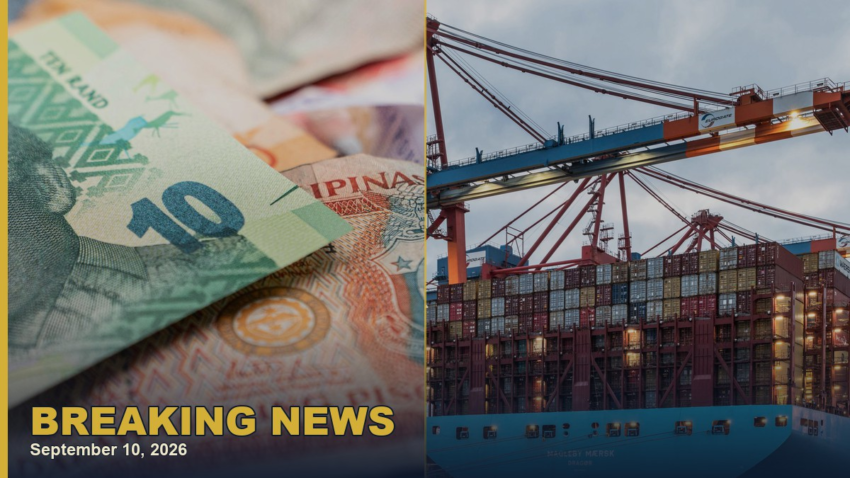
South Africa posted a current account deficit of ZAR 205.5 billion in the second quarter of 2026, the widest since the fourth quarter of 2015, according to figures reported September 10 [1]. The country had run a surplus of ZAR 181.6 billion in the prior quarter [1].
The turn came as crude oil imports surged in value and the trade surplus thinned [1].
Key Facts
- The current account deficit reached ZAR 205.5 billion in Q2 2026, the widest since Q4 2015, flipping from a ZAR 181.6 billion surplus in the previous period [1].
- The trade surplus narrowed to ZAR 146.4 billion from ZAR 428.8 billion in Q1, as the value of merchandise imports far outpaced merchandise and net gold exports [1].
- The value of crude oil imports rose 82%, a jump tied to South Africa’s high reliance on imported fuel [1].
- The shortfall on the services, income and current transfer account widened to ZAR 351.9 billion from ZAR 247.2 billion, mainly on a substantially larger primary income deficit [1].
- As a ratio of GDP, the current account moved to a deficit of 2.6% from a surplus of 2.3% [1].
Why the Gap Widened: Fuel, Imports and Income
The second quarter was the first to fully capture the impact of the war in Iran, which pushed up energy prices and import costs [1].
Crude oil did the heaviest lifting. The value of crude oil imports climbed 82%, reflecting South Africa’s dependence on fuel shipped in from abroad [1]. That single line item reshaped the trade picture: the surplus fell to ZAR 146.4 billion from ZAR 428.8 billion [1].
Money leaving through services, income and transfers added to the pressure. That shortfall widened to ZAR 351.9 billion from ZAR 247.2 billion, driven mostly by a substantial increase in the primary income deficit [1].
Set against the size of the economy, the swing is sharp. The current account went from a surplus equal to 2.3% of GDP to a deficit of 2.6% in a single quarter [1].
What comes next is not yet in the data. The report carries no forecast for the third quarter and no revised figure [1].
What’s Still Unconfirmed
The report does not name the agency or body that released the Q2 figures, and it does not say whether the numbers are preliminary or subject to revision [1]. No government or central bank official is quoted, and no reaction or policy response is included [1].
The report also breaks out no import categories beyond crude oil, so the full composition of the wider import bill is not yet detailed [1].
Black Excellence This Week
The hard news is real, and so is this. Wins reported by the Black press in the last 14 days:
- ‘I made those!’: 11-year-old designer Brooke Sumpter makes history with American Girl collaboration
thegrio.com · 2026-09-10 - 5 Things You May Not Know About XCEL Award Honoree Dr. Bernard Harris
blackenterprise.com · 2026-09-10 - By Us Beauty: The Best Black-Owned Beauty Launches From August 2026
essence.com · 2026-09-09 - HBCUs Are Building New Support Systems for Black Male Students
capitalbnews.org · 2026-09-08
What You Can Do This Week
Not just bad news — here is where to push.
- Call your U.S. representative and ask their position on renewing AGOA as South Africa’s widest current account gap since 2015 squeezes exports. — Find your U.S. representative
- Urge your senators to question Treasury’s currency report as the rand’s slide widens South Africa’s deficit and raises U.S. import costs. — Find your U.S. senators
- Attend your city council meeting and ask whether municipal pension funds hold South African sovereign debt exposed by the record current account gap. — Attend your city council meeting (USA.gov local officials)
SUPPORT KEMETIC MINDS
Enjoying this coverage? Back the work and find every way to connect with us in one place.
Support the Page →References
- TradingView. (2026, September 10). South Africa Logs Widest Current Account Gap Since 2015. tradingview.com ↩a ↩b ↩c ↩d ↩e ↩f ↩g ↩h ↩i ↩j ↩k ↩l ↩m ↩n ↩o ↩p ↩q
Methodology: This report covers a single breaking story, selected because it was independently covered by multiple news outlets within the last 20 hours. It is grounded only in the fetched, cited source text above and does not draw comparisons to other news. No Wikipedia sources are used, and no embeds are auto-generated.

Kemetic Minds Editorial Desk
Verified NewsroomPrimary-sourced investigative intelligence on civil rights, voting rights, federal policy, and consumer protection. Sourced from primary legal filings, government statistics, and direct field reporting.