
KEMETIC MINDS
Cybersecurity Scam Watch — Weekly Report — August 31, 2026
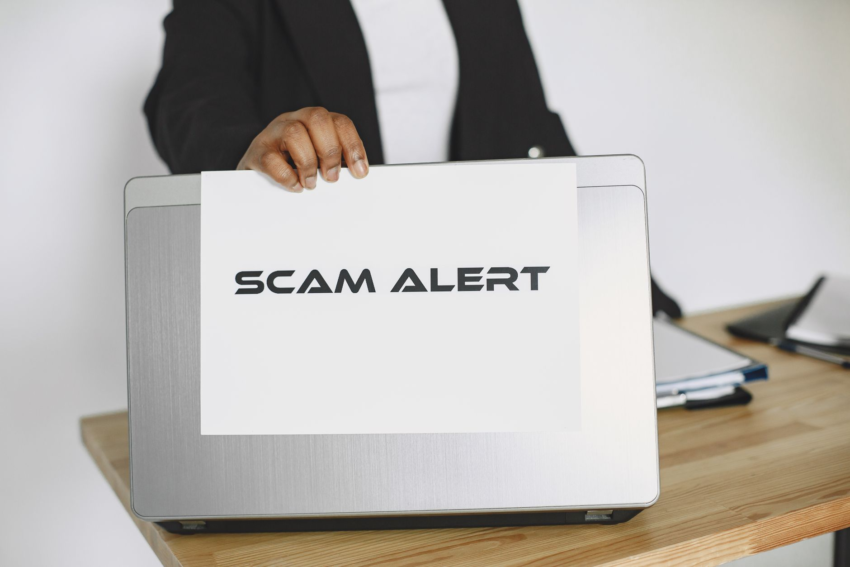
Photo: Gustavo Fring via Pexels (source)
The theme this week is chillingly simple: once you’re a victim, you become a target again. The FTC and FBI both warn that scammers are running second-wave schemes against people who already lost money, while AI tools make the whole con harder to see coming (FBI, 2026; FinanceFeeds, 2026; FTC, 2026).
- Report the near misses: The FTC says even consumers who spot a scam before losing money can provide useful information through the Consumer Sentinel Network (FTC, 2026).
- Second-wave scams are here: The FTC warns crooks are running refund-recovery scams on people already burned once — a “particularly cruel category of fraud” (FTC, 2026).
- Veterans targeted by mail: A fake “Veterans Savings Program” postcard is phishing retirees with promises of extra monthly benefits (FTC, 2026).
- AI-fueled investment fraud: New York warns AI is making an $8 billion investment scam market harder to spot, with more than $7.9 billion in reported losses (FinanceFeeds, 2026).
- Impersonating the FBI: Scammers are posing as FBI fraud investigators to re-hit people who already lost money online (FBI, 2026).
- Ransomware for rent: CISA and the FBI warn groups like Medusa are renting out ransomware as “software-as-a-service” (CISA & FBI, 2026).
1. FTC’s “Talk About It” Scam Alert
Watch how a real fake toll text smishing unfolds — and the red flags that give it away.
The FTC issued a new consumer alert on Aug. 28 urging Americans who encounter fraud to tell someone about it and report it to the government (FTC, 2026). Information from consumers can help authorities identify emerging fraud schemes and potentially prevent other people from becoming victims (FTC, 2026).
When a consumer files a fraud report, the information goes into the Consumer Sentinel Network, a secure national database accessible to federal, state, and local law enforcement (FTC, 2026). FTC investigators, attorneys, and analysts examine those reports for patterns; a large number of complaints involving similar phone calls, texts, emails, websites, or payment methods can reveal that an isolated incident is actually part of a larger operation (FTC, 2026).
“Many people experience fraud but never report it,” the FTC said, adding that scammers benefit when people remain silent (FTC, 2026). The agency is also encouraging consumers to do something that doesn’t involve the government at all: tell another person about the scam (FTC, 2026).
How to Avoid This Scam
- If you spot a scam before losing money, report it anyway — even near-miss reports help investigators see patterns (FTC, 2026).
- After reporting, tell a friend or family member what you encountered; the FTC says talking about scams can help prevent the next victim (FTC, 2026).
- Treat your report as an early-warning contribution: consumer reports feed the FTC Consumer Alerts that warn the public about new schemes (FTC, 2026).
Video: FTC warning on prize scams. Source: News4JAX The Local Station.
2. Second-Wave Refund-Recovery Scams
Watch how a real fake refund recovery agent unfolds — and the red flags that give it away.
The FTC has issued a fresh warning about a “particularly cruel category of fraud”: schemes that deliberately target people who have already lost money to a scam (FTC, 2026). In this second wave, crooks are running refund-recovery scams on people who were already burned once (FTC, 2026).
The warning echoes a separate FBI alert this week about scammers posing as its own fraud investigators to re-hit the same type of victim (FBI, 2026).
How to Avoid This Scam
- If you’ve been scammed before, treat any unsolicited “recovery” offer as a likely second attack — this scheme deliberately targets people already burned once (FTC, 2026).
- Don’t assume you’re safe after a loss; the FTC warns crooks are actively running refund-recovery scams on prior victims (FTC, 2026).
- Report any refund-recovery solicitation to the FTC so investigators can track the second wave’s reach (FTC, 2026).
Video: FTC In the News: Student Loan Debt Relief Scams | Federal Trade Commission. Source: FTCvideos.
3. Fake “Veterans Savings Program” Postcard
Watch how a real fake veterans benefit phishing unfolds — and the red flags that give it away.
A postcard landing in mailboxes across the country promises military veterans and their spouses a chance to unlock extra monthly benefits (FTC, 2026). According to federal regulators, the whole thing is a scheme designed to phish retirees (FTC, 2026).
The FTC identifies the mailing as a fake “Veterans Savings Program” postcard (FTC, 2026).
How to Avoid This Scam
- If you or a family member receives a postcard promising veterans or spouses extra monthly benefits, do not respond to it or follow its instructions (FTC, 2026).
- Recognize it as a phishing attempt, not a government notice: the FTC says the “Veterans Savings Program” postcard is a fraud (FTC, 2026).
- Warn veterans and retirees in your family now so they recognize the postcard if it arrives in their mail (FTC, 2026).
Video: Teach students to recognize phishing and scams. Source: Google for Education.
4. AI-Powered Investment Scam Warning
Watch how a real fake trading platform 'small withdrawal' bait unfolds — and the red flags that give it away.
New York has warned that AI is making an $8 billion investment scam market harder to spot (FinanceFeeds, 2026). Investment fraud was the costliest category in FTC data, with more than $7.9 billion in reported losses and a median loss above $10,000 (FinanceFeeds, 2026).
Reported 2024 investment losses were $5.7 billion, making the rise to roughly $7.9 billion consistent with New York’s cited 38% increase (FinanceFeeds, 2026). Investment scams also generated more reported losses than imposter scams, even though imposters produced far more complaints (FinanceFeeds, 2026).
The caveat: the Consumer Sentinel Network is built from unverified reports, so the data shows patterns and scale rather than a verified national loss ledger (FinanceFeeds, 2026). Neither agency published a count of how many reports involved AI-generated text, cloned voices, synthetic video, or AI-built websites (FinanceFeeds, 2026).
The FBI warns that criminals use generative AI to create fictitious social profiles, translate messages, write content for fraudulent cryptocurrency sites, and place chatbots inside those sites (FBI, 2026). One operation can produce localized advertisements, celebrity video, voice calls, fabricated news stories, identification documents, reviews, and a professional-looking website without commissioning each element separately (FinanceFeeds, 2026).
Audio cloning can impersonate a relative, executive, or public figure (FinanceFeeds, 2026). The individual artifacts may appear to corroborate one another even when the same criminal group created all of them — a verification problem that has already appeared outside the United States (FinanceFeeds, 2026).
How to Avoid This Scam
- Treat unsolicited investment “evidence” with skepticism: celebrity videos, news stories, documents, and reviews may all have been produced by the same criminal group (FinanceFeeds, 2026).
- Be wary of unsolicited cryptocurrency pitches, including sites with built-in chatbots — the FBI says fraudsters use generative AI to build exactly this kind of operation (FBI, 2026).
- If a “relative, executive, or public figure” contacts you about money through a cloned voice or video, verify through a separate, trusted channel before acting (FinanceFeeds, 2026).
- Remember the stakes: the median reported investment-scam loss is above $10,000, so slow down before sending money, cryptocurrency, or account access (FinanceFeeds, 2026).

5. Fake FBI “Fraud Investigators”
Watch how a real fake fbi recovery callback unfolds — and the red flags that give it away.
People who have already lost money to online fraud are being targeted a second time — by criminals wearing the badge of the very agency that investigates such crimes (FBI, 2026). The FBI has warned that scammers are now posing as its own fraud investigators to re-hit victims (FBI, 2026).
How to Avoid This Scam
- If someone claiming to be an FBI fraud investigator contacts you about a past loss, do not engage; the FBI has warned this impersonation scheme is active (FBI, 2026).
- Never provide payment, personal information, or account access to an unsolicited caller, even one who claims to represent the agency that investigates fraud (FBI, 2026).
- After any online fraud loss, stay on guard for follow-up contacts offering to “help” — that is exactly how this re-hit scheme operates (FBI, 2026).

6. Ransomware-as-a-Service Warning
Watch how a real ransomware phishing link unfolds — and the red flags that give it away.
The FBI and CISA are sounding the alarm on ransomware (CISA & FBI, 2026). In a joint statement, the agencies warned that groups like Medusa are increasingly formatting ransomware as “software-as-a-service” — in effect renting it to other cybercriminals (CISA & FBI, 2026).
How to Avoid This Scam
- Recognize that ransomware can now be launched by criminals who never built the malware themselves — the as-a-service model lowers the barrier to entry (CISA & FBI, 2026).
- If you run a business or organization, treat this joint CISA/FBI statement as a prompt to review your ransomware defenses (CISA & FBI, 2026).
This Week’s Family Safety Checklist
- If you or a relative has lost money to a scam before, be extra suspicious of any follow-up contact — both the FTC and the FBI issued warnings this week about criminals going back for seconds (FBI, 2026; FTC, 2026).
- Report every scam encounter, even near misses, to the FTC so the Consumer Sentinel Network can flag new patterns for law enforcement (FTC, 2026).
- Talk to veterans and seniors in your family about the fake “Veterans Savings Program” postcard before it reaches their mailbox (FTC, 2026).
- Remember that AI can fabricate voices, videos, documents, and news stories that appear to confirm one another — verify anything unusual through independent, official channels (FBI, 2026; FinanceFeeds, 2026).
SUPPORT KEMETIC MINDS
Enjoying this coverage? Back the work and find every way to connect with us in one place.
Support the Page →Kemetic Minds Analysis
The scams that spread fastest each week are rarely brand new — they’re small variations on the same playbook (urgency, spoofed authority, a link that looks almost right) recycled against whichever payment rail, app, or headline event is trending. Tracking the official warnings alongside the scams themselves is the fastest way to see which variant is live right now, not just which ones were common last year.
References
- Bing News. (2026, August 31). FTC says talking about scams can help prevent the next victim. consumeraffairs.com
- Bing News. (2026, August 27). The FTC warns crooks are running a second wave of refund-recovery scams on people already burned once. msn.com
- Bing News. (2026, August 30). The FTC says a fake 'Veterans Savings Program' postcard is phishing retirees. msn.com
- Bing News. (2026, August 28). New York Warns AI Is Making an $8 Billion Investment Scam Market Harder to Spot. financefeeds.com
- Bing News. (2026, August 25). The FBI warns scammers are now posing as its own fraud investigators to re-hit victims. msn.com
- Bing News. (2026, August 25). CISA and the FBI are sounding the alarm on ransomware. msn.com
Investigative Methodology: This roundup is generated on a fixed weekly schedule (Monday morning, America/Chicago) from live wire sources. Every claim is grounded in fetched source text with an APA7 in-text citation. Every video embed is verified to be a real, existing video via YouTube’s oEmbed endpoint before publication — none are written by the drafting model. The featured image is a real photograph sourced from Pexels, not an AI-generated image. No Wikipedia sources are used.
Stay Connected

Kemetic Minds Editorial Desk
Verified NewsroomPrimary-sourced investigative intelligence on civil rights, voting rights, federal policy, and consumer protection. Sourced from primary legal filings, government statistics, and direct field reporting.