Key Takeaways
- A Cyclospora outbreak tied to lettuce has expanded to 15 states, with case counts still rising (MSN News, 2026).
- The largest cluster of infections is tied back to Taylor Farms lettuce, the source report states.
- The cluster now accounts for cases in 15 states — nearly a third of the country.
- Kemetic Minds has documented how federal cuts to FDA and CDC food-safety oversight set the stage for this outbreak.
- Our Cyclospora outbreak 2026 map and foods-to-avoid guide tracks the parasite’s wider reach this season.
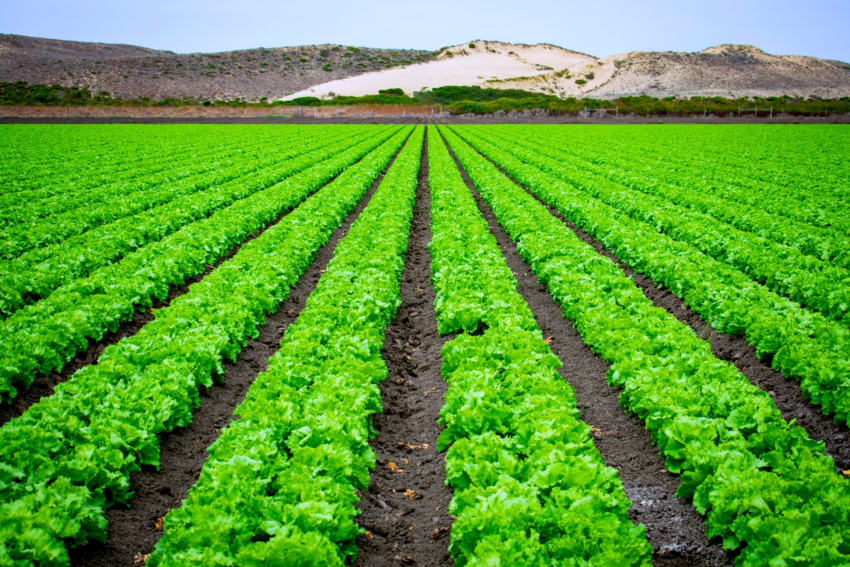
A parasite hiding in store-bought lettuce has now reached consumers in 15 states — and the case count is still climbing. The largest cluster of Cyclospora infections tied back to Taylor Farms lettuce now accounts for cases across nearly a third of the country, according to new reporting (MSN News, 2026).
That is the headline. The story underneath is about a food system where one producer’s contamination becomes a multi-state emergency — and a public-health safety net too weakened to stop it before it spreads.
Taylor Farms Lettuce Cluster Now Spans 15 States
The outbreak is tied to lettuce, and its geography is widening. The largest cluster of cases traced back to Taylor Farms lettuce now accounts for cases in 15 states, the source report states, with cases still rising (MSN News, 2026).
Fifteen states is nearly a third of the country. That footprint means the contamination reached kitchens across the nation, far beyond a single store or region, before the investigation caught up to it.
For a clearer picture of how wide this parasite’s season has already run, Kemetic Minds published a Cyclospora outbreak 2026 map and foods-to-avoid guide that tracks the pathogen’s reach and the foods to steer clear of while the investigation continues (Kemetic Minds, 2026).
The Largest Cluster Is Tied to One Producer — and It Is Still Growing
What makes this expansion notable is its concentration. The largest cluster in the current outbreak is tied back to a single name — Taylor Farms — and its lettuce. That single-source cluster now accounts for cases in 15 states, making it the largest cluster in the outbreak by the source report’s own description.
The source report offers no containment announcement and no all-clear — only the news that the case count is still rising. That is the most important sentence in the story: the map is not finished.
And the surveillance system watching this outbreak is operating with fewer resources than it once had. Our earlier investigation documented how federal cuts to FDA and CDC food-safety oversight set the stage for America’s Cyclospora outbreak — a hollowed-out inspection apparatus straining to keep pace with events like this one (Kemetic Minds, 2026).
🧩 Connecting the Dots
Three developments are converging at once, and together they tell a larger story than any single outbreak headline.
- Defunded oversight. Our investigation into federal cuts to FDA and CDC food-safety oversight shows an inspection system hollowed out just as contamination events multiply.
- A wider parasite season. The Cyclospora outbreak 2026 map tracks the parasite reaching 41 in this cycle — meaning the Taylor Farms cluster is one branch of a much larger tree.
- The home-grown counter-movement. Our guide to growing your own food in 2026 documents rising interest in household food production as trust in the commercial chain erodes.
What this suggests is a quiet transfer of risk. Powerful interests — large producers and the consolidated grocery chains they supply — externalize the cost of contamination onto families, while the regulators who would police them are defunded. Critics argue the pattern is not accidental: every budget cycle that cuts inspection staffing is a decision to let the market police itself, and the market’s only response to an outbreak is a recall after people are already sick (Kemetic Minds, 2026).
The pattern echoes an older American logic: when the public systems meant to protect ordinary people are dismantled, the people with the least cushion absorb the most damage. Nobody should have to grow their own lettuce to eat safely. The fact that so many families are now choosing to do exactly that is its own kind of verdict on the system.
🔢 The Numbers Behind This Moment
Numerology is pattern-noticing, not prophecy — but the numbers in this story line up in ways worth sitting with.
Today’s date — August 10, 2026 — reduces to 1:
8 + 1 + 0 + 2 + 0 + 2 + 6 = 19; 1 + 9 = 10; 1 + 0 = 1.
One is the number of new beginnings. A 1 day asks what we are willing to start over. For families who can no longer trust the bagged-lettuce aisle, the call is literal: build something new — a garden bed, a co-op, a community fridge network.
The story’s central number — 15 states — reduces to 6:
1 + 5 = 6.
Six is the number of family and responsibility. The largest cluster tied to Taylor Farms lettuce touches households in 15 states, and the responsibility for keeping those families safe has been pushed squarely onto the families themselves.
The year 2026 also reduces to 1:
2 + 0 + 2 + 6 = 10; 1 + 0 = 1.
New beginnings, twice. When the same number appears in both the date and the year, numerologists read it as emphasis. The emphasis here is unmistakable: the old system is not coming back intact, so the work of building the next one is already on us.
🧠 Kemetic Minds Analysis
For Black Americans, food has always been a battleground and a lifeline. From the broken promise of “40 acres and a mule” to redlining-era grocery gaps, controlling Black access to food has been a constant tool of American power. Enslaved ancestors cultivated provision grounds to feed their own communities. Fannie Lou Hamer built the Freedom Farm Cooperative to put Black farmers back on the land. The Black Panther Party’s free breakfast program fed thousands of children the government would not. Each of these was a documented, grassroots response to a system that treated Black hunger as acceptable.
This outbreak is a modern echo. A parasite in a corporate lettuce supply chain, spread across 15 states, landing hardest on the households with the least ability to absorb the blow. The system that produced this moment is the same one that has always decided who eats well and who eats last — only now it wears a grocery-store logo instead of an open badge of segregation.
The response begins at home, in the soil, and at the ballot box:
- Call your state department of agriculture and ask, on the record, how many produce inspections were completed in your state this quarter. Write down the answer.
- Email your U.S. representative and demand restored FDA and CDC food-safety staffing before the next appropriations vote. Name the Taylor Farms cluster and its 15-state reach.
- Review our Cyclospora outbreak 2026 map and foods-to-avoid guide before your next grocery run.
- Start a fall garden — even a single container of leafy greens — using our step-by-step guide to growing your own food in 2026.
- Share this report with your food pantry, your church, or your community fridge network so families in your zip code know what is on their plates.
Do not wait for the recall to make the decision for you. The system will not save us because the system forgot it was supposed to. Build the alternative — and force the institutions back to their duty at the same time.
References
- MSN News. (2026, August 10). Cyclospora outbreak tied to lettuce expands to 15 states as cases rise. MSN News.
- Kemetic Minds. (2026). How federal cuts to FDA and CDC food-safety oversight set the stage for America’s Cyclospora outbreak. Kemetic Minds.
- Kemetic Minds. (2026). Cyclospora outbreak 2026 map, foods to avoid as parasite reaches 41. Kemetic Minds.
- Kemetic Minds. (2026). Growing your own food in 2026: This week’s food news, the numbers, and how to get started. Kemetic Minds.
Photo: Mr. Location Scout via Pexels

Kemetic Minds Editorial Desk
Verified NewsroomPrimary-sourced investigative intelligence on civil rights, voting rights, federal policy, and consumer protection. Sourced from primary legal filings, government statistics, and direct field reporting.