
KEMETIC MINDS
Cybersecurity & Scam Daily Briefing — September 04, 2026
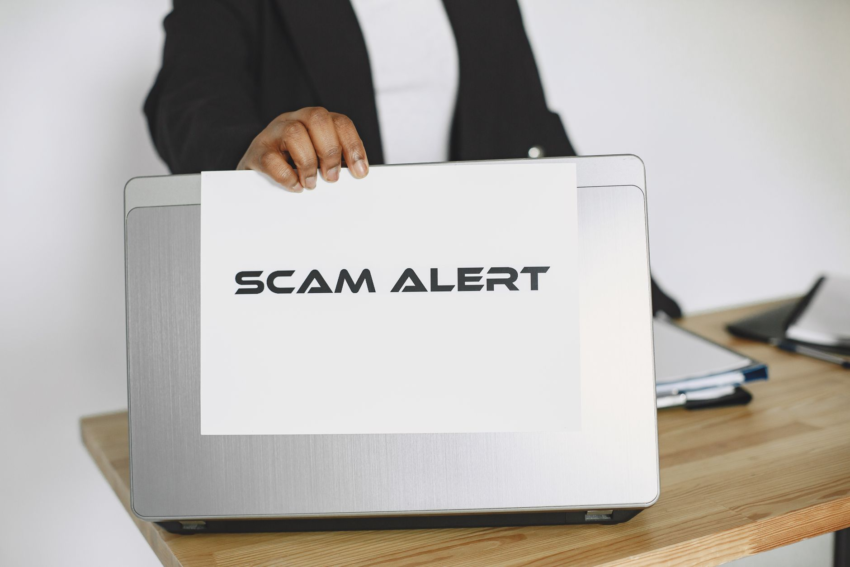
Photo: Gustavo Fring via Pexels (source)
Key Takeaways
- 67,000 more Trezor customers were exposed as the hardware-wallet breach widens (Blockchain.News, 2026).
- New Jersey’s Department of Veterans Affairs is warning about official-looking mail scams (TAPinto, 2026).
- Midland County police say residents lost thousands during a scam surge (Midland Daily News, 2026).
- “Mistaken” payment-app transfers can be reversed later, leaving you to cover the loss (MyCentralOregon, 2026).
- Never share a phone verification code with anyone who contacts you first (MyCentralOregon, 2026).
1. Official-Looking Mail Targets NJ Veterans
Watch how a real fake benefits-fee demand unfolds — and the red flags that give it away.
New Jersey’s Department of Veterans Affairs is warning against an official-looking mail scam reported by TAPinto on Sept. 3, 2026 (TAPinto, 2026).
The published report does not include details about what the letters claim or ask for (TAPinto, 2026). For anyone who receives one, the test is simple: verify before you act (TAPinto, 2026).
How to Avoid This Scam
- Do not call the phone number printed on the letter. Look up the NJ Department of Veterans Affairs contact information on its official website and use that number to verify the mailing is real (TAPinto, 2026).
- Treat any unexpected letter that pushes urgency, payments, or personal information as a scam until a real agency employee confirms it (TAPinto, 2026).
- If the letter concerns veterans’ benefits, contact the federal VA through its official site to double-check the mailing (TAPinto, 2026).

2. Midland County Residents Lose Thousands
Watch how a real fake jury-duty warrant call unfolds — and the red flags that give it away.
Police in Midland County are warning residents about a scam surge after people lost thousands of dollars, according to Midland Daily News (2026). The warning appeared Sept. 4, 2026 (Midland Daily News, 2026).
Details of the exact scams were not in the published report (Midland Daily News, 2026). Until more is known, treat every unsolicited contact that asks for money or account access as high-risk (Midland Daily News, 2026).
How to Avoid This Scam
- If a neighbor has been hit, a similar call, text, or email may be coming your way; warn family members to expect it (Midland Daily News, 2026).
- Refuse any demand for immediate payment by wire transfer, gift card, or payment app (Midland Daily News, 2026).
- Confirm any payment request by calling the business or agency back on a number you already trust, not one the caller gives you (Midland Daily News, 2026).
- If you are scammed, report it to local police so the surge can be tracked and other residents can be warned (Midland Daily News, 2026).

3. Trezor Breach Widens by 67,000 Customer Records
Watch how a real breach follow-up seed phishing unfolds — and the red flags that give it away.
Trezor, the cryptocurrency hardware wallet maker, has exposed 67,000 additional customer records as the data breach widens, according to Blockchain.News (2026). The report was published Sept. 4, 2026 (Blockchain.News, 2026).
A hardware wallet is a physical device that stores cryptocurrency private keys offline. The report described the widening breach as a reminder of ongoing security risks around hardware wallets (Blockchain.News, 2026).
How to Avoid This Scam
- If you have any Trezor account or have contacted the company, assume your customer records may be involved until you hear otherwise (Blockchain.News, 2026).
- Do not click links in emails or texts claiming to be from Trezor; open Trezor’s official site directly in your browser (Blockchain.News, 2026).
- Never enter your recovery seed phrase into any website, pop-up, email, or chat — no legitimate service will ever ask for it (Blockchain.News, 2026).
- Watch for follow-up “security alert” messages in the coming weeks; criminals use breach news to make phishing look real (Blockchain.News, 2026).
4. Second Outlet Confirms Trezor Exposure
Watch how a real fake wallet security alert unfolds — and the red flags that give it away.
Decrypt (2026) also reported, on Sept. 4, 2026, that 67,000 more Trezor customers were exposed as the breach widens (Decrypt, 2026).
Two outlets reporting the same number the same day makes the scale of the incident easier to confirm (Decrypt, 2026). Once a company confirms a breach, the practical step for customers is to raise their guard (Decrypt, 2026).
How to Avoid This Scam
- Check your inbox and spam folder for any message from Trezor dated this week before deleting anything that could be a breach notice (Decrypt, 2026).
- If someone calls or messages offering “help” with the Trezor breach, hang up or delete it; start any real contact yourself on the official Trezor domain (Decrypt, 2026).
- Remember that nobody — not a support agent, not a “security researcher” — needs your recovery seed phrase to protect your wallet (Decrypt, 2026).
5. Payment-App “Mistaken Payment” Scams
Watch how a real fake payment-app verification-code text unfolds — and the red flags that give it away.
Oregon’s Division of Financial Regulation (DFR) is warning consumers about scams on mobile payment apps such as Venmo, Cash App, Zelle, and PayPal, reports MyCentralOregon (2026). Because those apps link to bank accounts, debit cards, and credit cards, they attract fraudsters (MyCentralOregon, 2026).
In the “payment sent by mistake” scam, a stranger sends you money, then claims it was an error and asks you to send it back as a separate payment (MyCentralOregon, 2026). The original payment may be funded with stolen card or account information, and when it is later reversed, you can be left responsible for the money you refunded (MyCentralOregon, 2026).
Scammers also pose as payment-app customer service representatives, claiming there is an unauthorized transaction or that someone is trying to access your account (MyCentralOregon, 2026). They will say they need to “secure” the account and then ask for your password or the verification code sent to your phone (MyCentralOregon, 2026).
How to Avoid This Scam
- Never exchange payments with people you do not know, and never “refund” an unexpected payment (MyCentralOregon, 2026).
- If a stranger sends you money, stop messaging them and contact the app’s customer support directly (MyCentralOregon, 2026).
- Never provide a verification code to anyone who calls or texts you claiming to be from your payment app (MyCentralOregon, 2026).
- Reach customer support from inside the app or through its official website — not through a phone number or link a stranger gives you (MyCentralOregon, 2026).
What the Research Actually Says
No peer-reviewed studies were supplied for this briefing, so there are no academic findings to summarize in this edition. Rather than invent research, this briefing relies only on the official warnings and breach reporting above (TAPinto, 2026; Midland Daily News, 2026; Blockchain.News, 2026; Decrypt, 2026; MyCentralOregon, 2026).
Today’s Family Safety Checklist
- Never act on the first contact: if a letter, call, text, or in-app message claims a problem with your account or benefits, open the official website yourself and verify (TAPinto, 2026; MyCentralOregon, 2026).
- Set a family rule that money is never sent to a stranger — including refunds of “mistaken” payments — by payment app, wire, or gift card (MyCentralOregon, 2026).
- Keep a short list of official contact numbers and websites for your bank, payment apps, and benefits agencies so family members never need a stranger’s number (TAPinto, 2026; MyCentralOregon, 2026).
- After news like the Trezor breach, expect phishing in the following weeks and treat unsolicited “security alerts” as scams until proven otherwise (Blockchain.News, 2026; Decrypt, 2026).
SUPPORT KEMETIC MINDS
Enjoying this coverage? Back the work and find every way to connect with us in one place.
Support the Page →Kemetic Minds Analysis
Today’s briefing pulled from 5 news sources and 0 peer-reviewed studies. No peer-reviewed source cleared today’s citation-count bar; treat today’s protection advice as news-grounded, not research-grounded. The pattern worth watching isn’t any single scam headline — it’s whether today’s news matches what the research already predicts about who gets targeted and what actually reduces risk, or whether it’s a genuinely new variant the literature hasn’t caught up to yet.
References
- TAPinto. (2026, September 3). NJ Dept. of Veterans Affairs Warns Against Official-Looking Mail Scam – TAPinto. news.google.com
- Midland Daily News. (2026, September 4). Midland County residents lose thousands as police warn of scam surge – Midland Daily News. news.google.com
- Bing News. (2026, September 4). Trezor: 67,000 More Customers Exposed in Breach. blockchain.news
- Bing News. (2026, September 4). 67,000 More Trezor Customers Exposed as Data Breach Widens. decrypt.co
- Bing News. (2026, September 3). State Warns Consumers About Payment App Scams. mycentraloregon.com
Investigative Methodology: This briefing is generated on a fixed daily schedule (6:00 AM, America/Chicago) from live news wires and the CrossRef scholarly database. Every news claim is grounded in fetched source text with an APA7 in-text citation. Every peer-reviewed source is a real, DOI-verifiable journal article — filtered to results with a named author list, a named journal, and at least 3 citations to screen out predatory or uncited entries — never a fabricated or paraphrased-from-memory study. Every video embed is verified to be a real, existing video via YouTube’s oEmbed endpoint before publication. The featured image is a real photograph sourced from Pexels, not an AI-generated image. No Wikipedia sources are used.
Stay Connected

Kemetic Minds Editorial Desk
Verified NewsroomPrimary-sourced investigative intelligence on civil rights, voting rights, federal policy, and consumer protection. Sourced from primary legal filings, government statistics, and direct field reporting.