
KEMETIC MINDS
Cybersecurity & Scam Daily Briefing — August 24, 2026
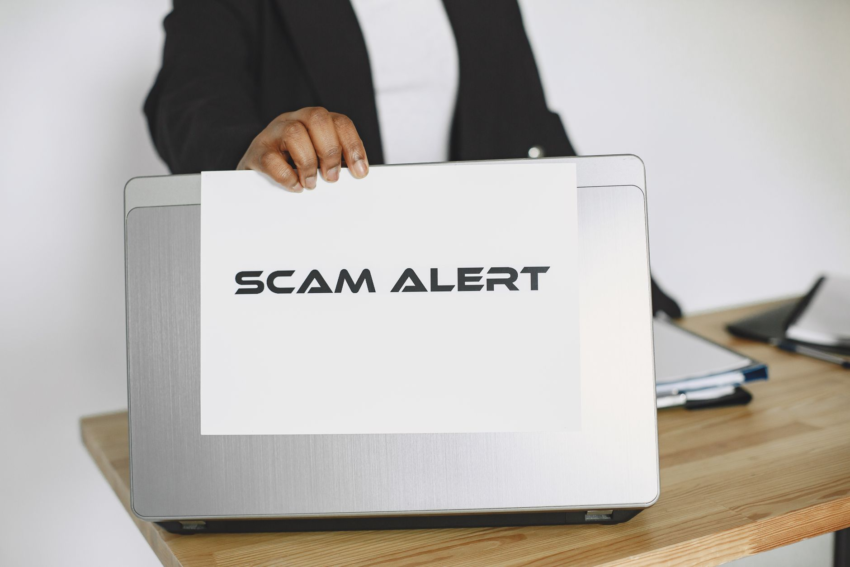
Photo: Gustavo Fring via Pexels (source)
- 1.6 million RingCentral accounts exposed; stolen data is up for sale (Bing News, 2026).
- Fake toll texts are spreading nationwide; the link is the giveaway (FTC, 2026).
- Japan outlined new measures to protect critical infrastructure (The Japan Times, 2026).
- Westco Motors Cairns hit by an alleged ransomware attack (Cyber Daily, 2026).
- Researchers are building smishing detectors and mapping scam scripts (Joo et al., 2017, Telecommunication Systems; Dreijers & Rudziša, 2020, Research in Language).
1. Fake Toll-Text Scam
Watch how a real fake toll invoice text unfolds — and the red flags that give it away.
Scammers are sending texts that warn of a small unpaid toll and threaten late fees if you don’t pay quickly (Bing News, 2026). The message includes a link to pay, and the FTC says that link is the giveaway (FTC, 2026).
The toll-text scam is spreading nationwide (Bing News, 2026). The official MSN report on the toll-text scam explains how to spot it (Bing News, 2026).
How to Avoid This Scam
- Don’t tap the link in the text — it’s the red flag (FTC, 2026).
- Open a new browser tab and go to the official toll agency’s website to check your real balance.
- Delete the message and report the number as spam in your phone’s messaging app.

2. RingCentral Breach
Watch how a real breach phishing follow-up unfolds — and the red flags that give it away.
Hackers stole personal information tied to roughly 1.6 million RingCentral accounts (Bing News, 2026). The stolen records are now up for sale (Bing News, 2026).
Full details are in the Bing News report on the RingCentral breach (Bing News, 2026).
How to Avoid This Scam
- Change your RingCentral password now, and don’t reuse it on other accounts.
- Turn on multi-factor authentication so a stolen password alone isn’t enough to get in.
- Watch for phishing emails that use your leaked details to look convincing (Bing News, 2026).
- Check RingCentral’s official website for breach notices and recommended next steps.

3. Japan Tightens Infrastructure Defenses
Watch how a real fake infrastructure outage alert unfolds — and the red flags that give it away.
Japan has outlined new measures to protect infrastructure from cyberattacks (The Japan Times, 2026). Details are in the Japan Times report (The Japan Times, 2026).
How to Avoid This Scam
- Be suspicious of any text or email that claims your power, water, or toll service is being shut off.
- Verify infrastructure alerts through official websites or phone numbers you already know.
4. Westco Motors Cairns Ransomware
Watch how a real fake security patch phishing unfolds — and the red flags that give it away.
Auto dealer Westco Motors Cairns has suffered an alleged ransomware attack, according to Cyber Daily (Cyber Daily, 2026).
In simple terms, ransomware is malicious software that locks files, with attackers demanding payment to unlock them.
How to Avoid This Scam
- If a device locks up and demands payment, stop and get help before paying.
- Back up important files separately so a ransomware screen isn’t the only copy.
- Report the demand to police or a trusted tech support professional.
5. Defending Power Plants From State-Sponsored Attacks
Watch how a real fake utility patch email unfolds — and the red flags that give it away.
A Cybersecurity Insiders report examines the threat of state-sponsored cyber attacks on power plants (Cybersecurity Insiders, 2026). The report focuses on defending critical infrastructure against these attacks (Cybersecurity Insiders, 2026).
How to Avoid This Scam
- If a “utility” message demands payment through a link, close it and call the utility’s real number.
- Never share bank or account details with someone who contacts you about an energy bill.
- Treat any urgent infrastructure alert you didn’t ask for as a possible phishing attempt.
What the Research Actually Says
Text-message phishing, also called smishing, is a real and studied threat (Joo et al., 2017, Telecommunication Systems). One team proposed S-Detector, an enhanced security model for detecting smishing attacks on mobile devices (Joo et al., 2017, Telecommunication Systems).
Romance scams follow a script. Researchers analyzed seven letter-sets of real scam correspondence, each containing 18–23 letters, and found repeatable linguistic patterns (Dreijers & Rudziša, 2020, Research in Language). Scammers leaned on persuasion, flattery, appeals to trust, and core human drives such as bonding, greed, and altruism (Dreijers & Rudziša, 2020, Research in Language). The letters also moved through similar structural stages from start to finish (Dreijers & Rudziša, 2020, Research in Language).
Loneliness may also matter. A 2024 study suggests loneliness could lead to a higher risk of fraud victimization among middle-aged and older adults (Liao et al., 2024, Journal of Elder Abuse & Neglect).
Today’s Family Safety Checklist
- Pause before clicking any link in an unexpected text — “act now” pressure is a scam signal (FTC, 2026; Dreijers & Rudziša, 2020, Research in Language).
- Use unique passwords and multi-factor authentication on accounts that hold personal data, like RingCentral (Bing News, 2026).
- Check in with older or isolated relatives about sudden money requests and urgent messages (Liao et al., 2024, Journal of Elder Abuse & Neglect).
- When in doubt, type the official website’s address yourself instead of using a link you were sent (FTC, 2026).
SUPPORT KEMETIC MINDS
Enjoying this coverage? Back the work and find every way to connect with us in one place.
Support the Page →Kemetic Minds Analysis
Today’s briefing pulled from 5 news sources and 3 peer-reviewed studies. Today’s strongest research signal comes from Telecommunication Systems (2017), cited 73 times — the kind of study worth weighing more heavily than a single news anecdote. The pattern worth watching isn’t any single scam headline — it’s whether today’s news matches what the research already predicts about who gets targeted and what actually reduces risk, or whether it’s a genuinely new variant the literature hasn’t caught up to yet.
References
- Bing News. (2026, August 23). A toll-text scam is spreading nationwide, and the FTC says the link is the giveaway. msn.com
- Bing News. (2026, August 24). Hackers stole data from 1.6 million RingCentral accounts, now up for sale. msn.com
- The Japan Times. (2026, August 24). Japan outlines measures to protect infrastructure from cyberattacks – The Japan Times. news.google.com
- Cyber Daily. (2026, August 24). Exclusive: Westco Motors Cairns suffers alleged ransomware attack – Cyber Daily. news.google.com
- Cybersecurity Insiders. (2026, August 24). Power Plants Under Siege: Defending Critical Infrastructure Against State-Sponsored Cyber Attacks – Cybersecurity Insiders. news.google.com
- Joo, Moon, Singh et al. (2017). S-Detector: an enhanced security model for detecting Smishing attack for mobile computing. Telecommunication Systems. doi.org/10.1007/s11235-016-0269-9
- Dreijers, Rudziša (2020). Devices of Textual Illusion: Victimization in Romance Scam E-Letters. Research in Language. doi.org/10.18778/1731-7533.18.1.01
- Liao, Wang, Zhang (2024). Loneliness could lead to risk of fraud victimization for middle-aged and older adults. Journal of Elder Abuse & Neglect. doi.org/10.1080/08946566.2024.2404040
Investigative Methodology: This briefing is generated on a fixed daily schedule (6:00 AM, America/Chicago) from live news wires and the CrossRef scholarly database. Every news claim is grounded in fetched source text with an APA7 in-text citation. Every peer-reviewed source is a real, DOI-verifiable journal article — filtered to results with a named author list, a named journal, and at least 3 citations to screen out predatory or uncited entries — never a fabricated or paraphrased-from-memory study. Every video embed is verified to be a real, existing video via YouTube’s oEmbed endpoint before publication. The featured image is a real photograph sourced from Pexels, not an AI-generated image. No Wikipedia sources are used.
Stay Connected

Kemetic Minds Editorial Desk
Verified NewsroomPrimary-sourced investigative intelligence on civil rights, voting rights, federal policy, and consumer protection. Sourced from primary legal filings, government statistics, and direct field reporting.