
Black News · The Reparations Report · Week of September 15–28, 2026
In two weeks, the fight over reparations moved from speeches into legal machinery. Jamaica’s petition on slavery is now before one of Britain’s highest legal bodies, Caribbean governments are drafting a legal strategy against the U.K., and Ghana’s president took the case to the UN General Assembly. In the United States, the local programs that do exist are under pressure: the Justice Department is trying to stop Evanston’s, and Boston’s research has collapsed.
This week at a glance
- Jamaica: King Charles III referred three legal questions on slavery and reparations to the Judicial Committee of the Privy Council.[1]
- Caribbean: the Third CARICOM Regional Conference on Reparations (Sept. 17–19, Barbados) worked on a multi-pronged action plan, including possible international legal action.[4][5]
- Ghana: President John Dramani Mahama told the UN that “real repair demands structural transformation.”[8]
- Evanston, Ill.: the Justice Department is backing a lawsuit to stop the city’s $25,000 housing grants to eligible Black residents.[10]
- Boston: the city scrapped its $335,000 reparations research report; the task force chair called it “a major setback.”[12]
- Massachusetts & California: Episcopal City Mission paid out $2.75 million, and a new California bill would send pollution-exposed households near the Inglewood oil field up to $5,000.[13][14]
1. Jamaica takes its case to the Privy Council

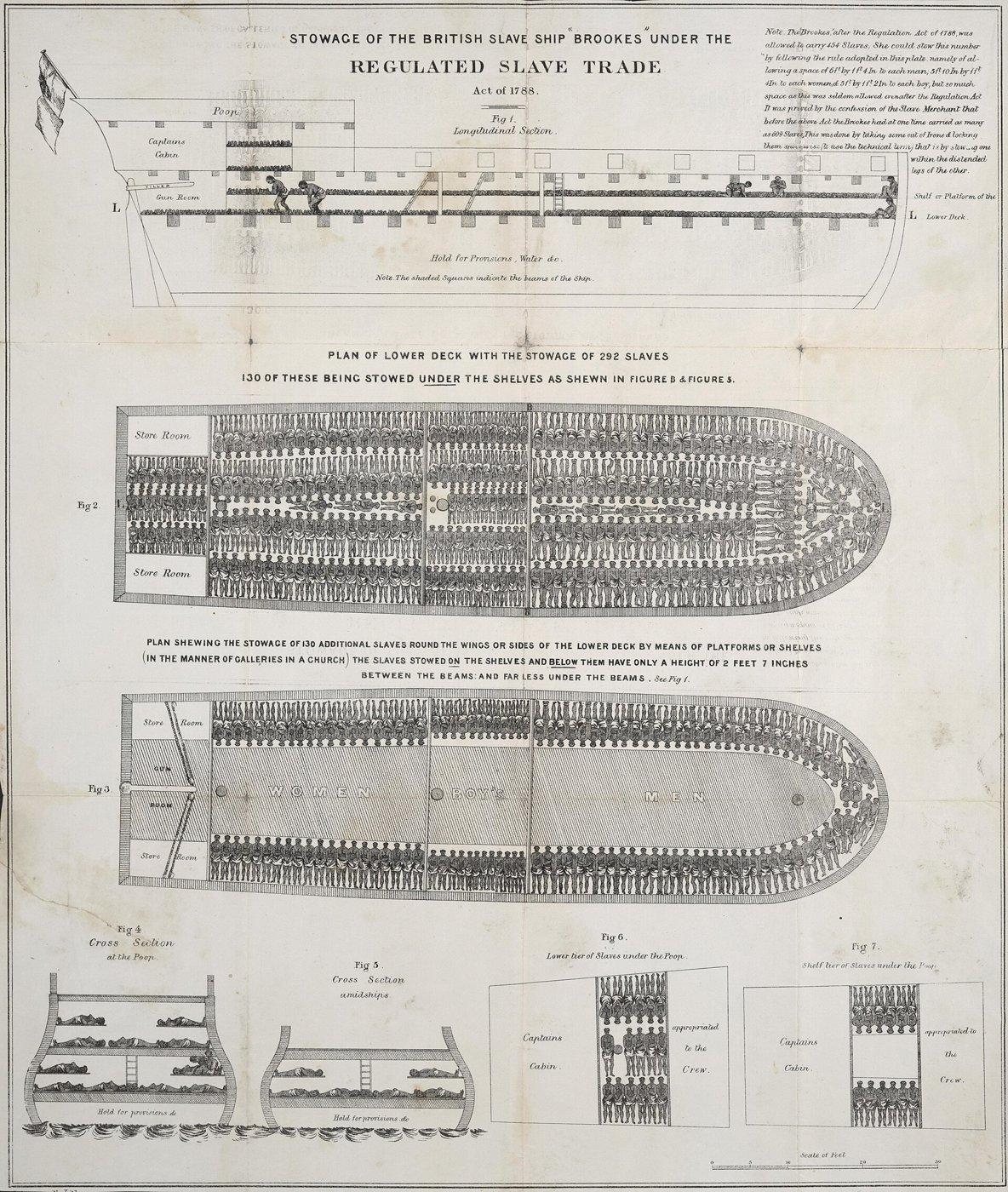
On September 7, Jamaica’s government formally petitioned King Charles III, as the country’s head of state, to send legal questions about transatlantic slavery to the Judicial Committee of the Privy Council in London. The King has now referred three questions, and the government is awaiting directions on next steps.[1]
The questions, as the Government of Jamaica set them out:[1]
- Was the seizure, forced transportation to Jamaica and enslavement of Africans as chattel lawful under English law?
- Did those actions breach international law?
- Does the United Kingdom have a legal obligation to provide a reparatory remedy to the people of Jamaica?
“It is really a very big deal, and the world is watching us. What we are doing is historic, unprecedented and a major development in the reparatory justice movement.”
— Olivia Grange, Jamaica’s Minister of Culture, Gender, Entertainment and Sport[3]
What it can and can’t do. Grange stressed that the petition “does not constitute an interstate negotiation or a demand for payment”; it asks legal questions of a court.[1] A Privy Council opinion would not compel the U.K. government to pay, but Jamaican officials believe it could shape negotiations and set a precedent for other Commonwealth countries.[2] The International Court of Justice was not an option, Grange said, because the U.K. has reservations that stop the court hearing its disputes with current or former Commonwealth members.[2]
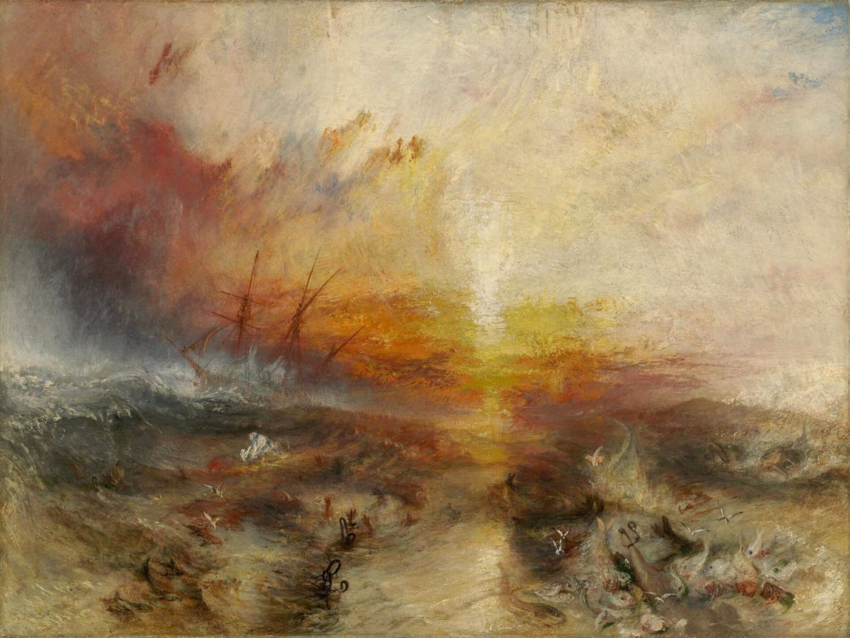
The petition was filed one day after the anniversary of the Zong massacre, which Grange called “an event that captures the barbarity of chattel enslavement.”[2] Jamaica can use this route only because the King is still its head of state; former colonies that have become republics cannot.[3]
2. The Caribbean plans its next move
From September 17 to 19, officials, advocates and scholars met in Barbados for the Third CARICOM Regional Conference on Reparations, under the theme “Reparatory Justice as the Coming Enlightenment.” CARICOM’s Secretary-General, Dr Carla Barnett, presented a revised Ten-Point Plan for Reparatory Justice and noted that twelve member states now run national reparations commissions or committees.[4]
Leaders are drafting a multi-pronged action plan: seek negotiations at upcoming Commonwealth and UN summits, but be ready to go to international courts if Britain refuses. Options discussed include an advisory opinion from the International Court of Justice and a complaint under the UN convention on racial discrimination.[5]
“We have no desire to bankrupt anybody, but we have a desire for justice.”
— Mia Mottley, Prime Minister of Barbados[6]
Sir Hilary Beckles, who chairs the CARICOM Reparations Commission, pointed to the conditions Jamaica inherited at independence in 1962: “80% of the black people in Jamaica could not read or write.”[5] The British government’s position, restated this month by a spokesperson for Andy Burnham, is that “the UK does not and will not pay reparations.”[5]
Background: on March 25, 2026, the UN General Assembly adopted Resolution A/RES/80/250, declaring the trafficking and racialised chattel enslavement of Africans “the gravest crime against humanity.” It passed 123 to 3, with 52 abstentions; the U.K. abstained.[7][15][5]
3. Ghana at the UN: “They were hunted”
Addressing the 81st UN General Assembly on September 24, President John Dramani Mahama, whose government tabled March’s resolution, rejected the passive voice in which slavery is often described:[8]
“They do not vanish. They were hunted. They were captured. They were trafficked. They were bought. They were sold. They were exploited and exchanged for profit.”
— President John Dramani Mahama of Ghana, UN General Assembly[8]
Official United Nations video of President Mahama’s address to the 81st General Assembly, September 24, 2026.[9] Embedded from the UN’s own channel; UN video is not public domain.
Mahama argued the resolution “was not a mere gesture” and that “real repair demands structural transformation”: changes to unfair trade, predatory resource extraction, discriminatory credit ratings and unsustainable debt.[8]
4. In the United States: pressure on the programs that exist
Evanston, Illinois: the Justice Department wants it stopped
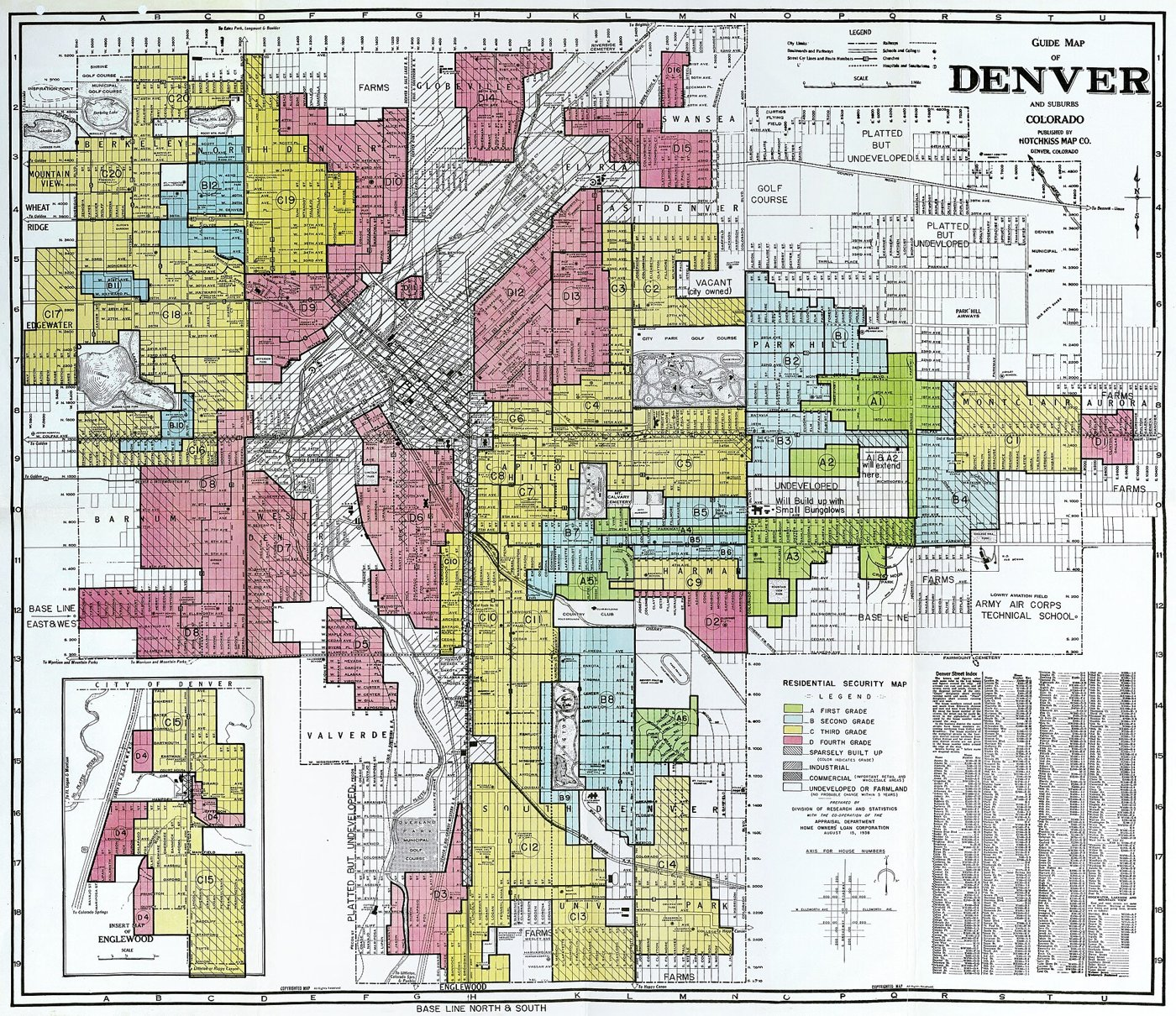
Evanston’s program, the first municipal reparations law in the country, gives grants of up to $25,000 to eligible Black residents and descendants with ties to the city from 1919 to 1969.[10] It is funded from cannabis taxes and real estate transfers, with $20 million allocated.[11] More than 300 people have received payments since 2021.[10]
The Justice Department is seeking to join a lawsuit against the program, arguing that race-based eligibility violates equal protection and federal housing law.[10] “Simply handing out money based on race … is not the answer,” said Harmeet Dhillon, head of the department’s Civil Rights Division. “It is race discrimination, pure and simple.”[11] Robin Rue Simmons, the former council member who led the program, says it answers a specific harm: “As targeted as the harmful zoning that reinforced redlining.”[11]
Boston: the research behind the task force collapses
Boston scrapped the report meant to document the city’s role in slavery from 1620 to 1940. Tufts University returned the $335,000 the city paid after the project’s lead researcher, Kerri K. Greenidge, left the university while her earlier book was under scrutiny.[12]
“This is a major setback [and] it could prove fatal.”
— Joseph D. Feaster Jr., chair of Boston’s Task Force on Reparations[12]
Massachusetts: a church pays
Episcopal City Mission, affiliated with the Episcopal Diocese of Massachusetts, distributed $2.75 million to 25 Massachusetts organizations working on racial and economic justice. “There is no reconciliation without repair,” said executive director Arrington Chambliss.[13]
California: reparations for pollution
California lawmakers passed AB 1661, from Assemblymember Isaac G. Bryan. It would direct $5 million collected from penalized oil wells in Inglewood into payments of up to $5,000 each for 1,000 nearby households with qualifying respiratory or reproductive health effects. The neighborhoods around the Inglewood oil field include some of Los Angeles’s Blackest. Governor Gavin Newsom is expected to act on it by October.[14]
Analysis worth reading
Writing for the Australian Institute of International Affairs, a legal analysis argues that the UN declaration “rests on a legal weld that cannot bear its weight,” because it states the rule on reparations without saying any state owes them, and that the stronger case “was in the text all along.”[15] (Analysis, not news.)
What to watch
- Privy Council directions on how Jamaica’s three questions will be heard.
- CARICOM’s action plan: whether talks with the U.K. open at the Commonwealth or UN, or a court filing follows.
- Evanston: the court’s ruling on the Justice Department’s bid to join the lawsuit.
- California AB 1661: Governor Newsom’s decision, expected by October.
- Boston: whether the task force finds a new research team.
References
- Jamaica Information Service (Sept. 24, 2026). Jamaica’s reparations petition a catalyst for global discussion on slavery’s legacy – Minister Grange. Government of Jamaica, primary source.
- The Guardian (Sept. 23, 2026). Jamaica hails King’s decision to refer slavery reparations petition to privy council as ‘really big deal’.
- Associated Press via ABC News (Sept. 23, 2026). Jamaica celebrates that its reparations case against Britain referred to final appeals court.
- CARICOM Secretary-General Dr Carla Barnett, opening remarks, Third CARICOM Regional Conference on Reparations (Sept. 17, 2026), published by WINN FM. Primary source.
- The Guardian (Sept. 19, 2026). Caribbean nations draft action plan to push UK to redress reparations over slavery.
- Barbados Today (Sept. 20, 2026). ‘We have no desire to bankrupt anybody, but we have a desire for justice’.
- United Nations General Assembly (Mar. 25, 2026). Resolution A/RES/80/250. Primary source.
- MyNewsGh (Sept. 24, 2026). ‘They were hunted, captured, trafficked and sold’ – Mahama demands reparations at UN.
- United Nations (Sept. 24, 2026). Ghana – President addresses United Nations General Debate, 81st Session. Official UN video, primary source.
- The Root (Sept. 15, 2026). The Trump administration makes its case against Evanston’s reparations program.
- Blavity (Sept. 18, 2026). Trump admin aims to block an Illinois city from giving reparations to Black residents.
- The Boston Globe (Sept. 15, 2026). Boston scraps overdue reparations report led by former Tufts professor accused of poor research.
- Episcopal News Service, republished by Boston University School of Theology (Sept. 15/28, 2026). Episcopal City Mission distributes $2.75 million in reparations.
- Capital B News (Sept. 16, 2026). In LA, some Black residents may soon receive environmental reparations.
- Australian Institute of International Affairs, Australian Outlook (Sept. 28, 2026). The gravest crime and the wrong claim. Analysis.
Methodology: every fact and quotation above is taken from the linked reports and primary documents, and quotations are verbatim. Images are public domain, sourced from Wikimedia Commons with their original credits. No public-domain video on this week’s reparations news was available, so the embedded video is the official UN recording of the speech it shows. Produced by Kemetic Minds; no AI-generated text.

Kemetic Minds Editorial Desk
Verified NewsroomPrimary-sourced investigative intelligence on civil rights, voting rights, federal policy, and consumer protection. Sourced from primary legal filings, government statistics, and direct field reporting.