Key Takeaways
- A teen was convicted for a violent racial hate crime in Grass Valley, Californias Valley, Nevada, highlighting the ongoing issue of racial hostility (Reeti Malhotra, 2026)
- The DOJ is investigating the Philadelphia Police Department for alleged unconstitutional gun permit revocations, affecting Black communities (Kamryn Scrivens, 2026)
- The Supreme Court’s decision to reinstate a racially discriminatory map for Alabama’s 2026 congressional elections undermines voting rights for Black Americans
Hate & Crime
A recent conviction in Grass Valley, Nevada, highlights the persistence of hate crimes in the US. According to (Reeti Malhotra, 2026), a teen was found guilty of a violent racial hate crime. Similarly, in Ventura County, a man was sentenced to three years for a violent, racially charged attack on a married couple (Ktla, 2026). These incidents demonstrate a trend of rising hate crimes, often targeting Black Americans. Law enforcement and the DOJ must take decisive action to address this issue. The NAACP has announced support for a family suing over a racially motivated vandalism incident, underscoring the need for community-led initiatives to combat hate crimes (Wbrz, 2026). Furthermore, the DOJ‘s investigation into the Philadelphia Police Department’s gun permit revocation practices may have implications for hate crime prevention (Marcela Camargo, 2026). The connection between hate crimes and police accountability is crucial, as seen in the DOJ‘s investigation into the Philadelphia Police Department (Kamryn Scrivens, 2026).
Justice & Law
The DOJ‘s investigation into the Philadelphia Police Department’s gun permit revocation practices is a significant development in police accountability (Kamryn Scrivens, 2026). This case highlights the need for strengthened police accountability measures, particularly in light of the George Floyd-inspired California law that accidentally weakened police accountability (Nigel Duara, 2026). The Civil Rights Division must prioritize enforcement to protect Black communities from discriminatory policing practices. Historically, the DOJ has played a crucial role in advancing civil rights, but recent actions suggest a retreat from this commitment. For instance, the DOJ‘s investigation into the Philadelphia Police Department’s gun permit revocation practices may indicate a renewed focus on police accountability (Marcela Camargo, 2026). Moreover, the National Rifle Association has weighed in on the issue, highlighting the complexities of gun permit revocations and their impact on Black communities (National Rifle Association, 2026).
Policy & Government
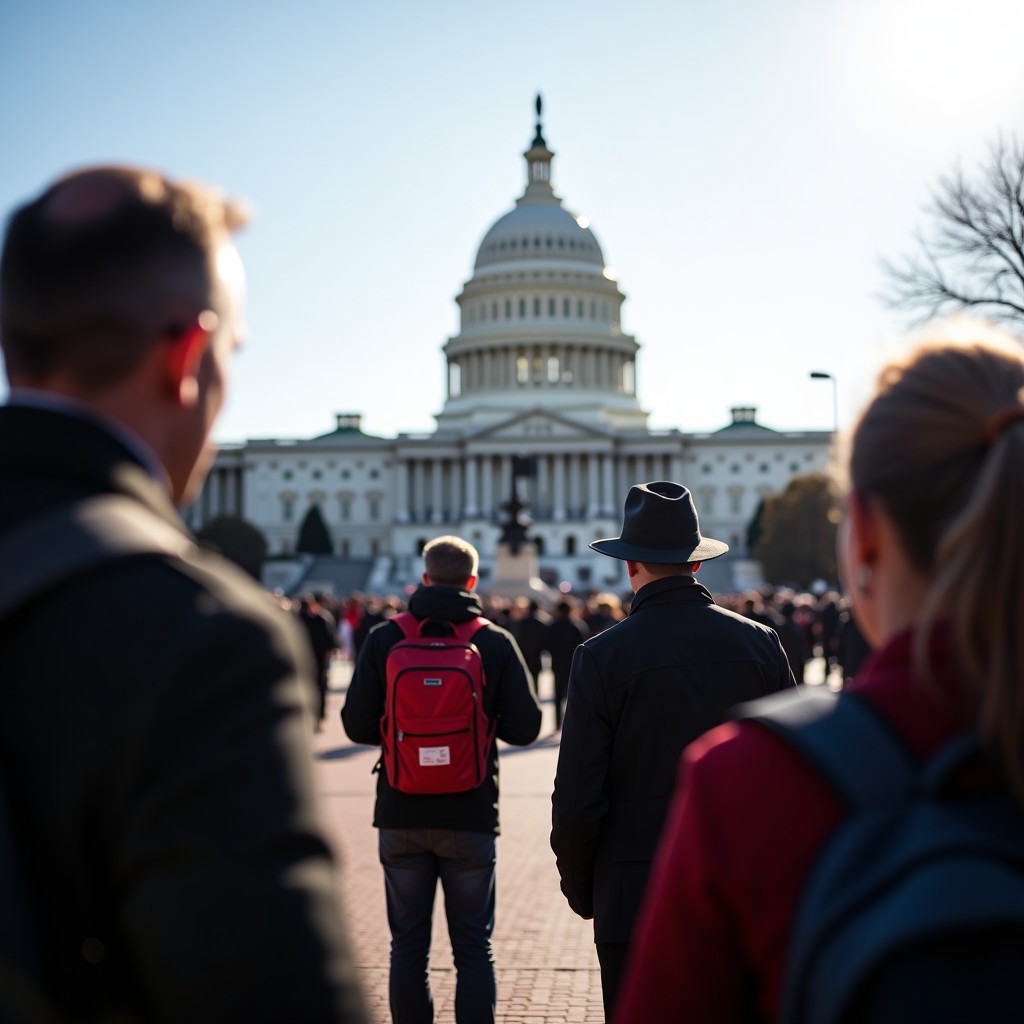
The Supreme Court’s decision to reinstate a racially discriminatory map for Alabama’s 2026 congressional elections is a significant setback for voting rights (ACLU of Alabama). This ruling undermines the Voting Rights Act and exposes Black voters to disenfranchisement. The ACLU and other civil rights organizations are responding with outrage and calls for action. The Indiana voter registration cancellation and the Virginia student voter registration settlement demonstrate the ongoing struggle for voting rights (Indiana Capital Chronicle, Virginia Mercury). The Supreme Court‘s decision has far-reaching implications for Black Americans, as it may lead to further disenfranchisement and undermine the democratic process. Moreover, the DOJ‘s investigation into the Philadelphia Police Department’s gun permit revocation practices may have implications for voting rights, as it highlights the need for strengthened protections against discriminatory practices (Marcela Camargo, 2026).
Project 2025
The implementation of Project 2025 provisions is underway, with significant implications for DEI, civil rights enforcement, and Black economic mobility. The DOJ‘s guidelines on race-based decisions have been found to violate civil rights laws, highlighting the need for careful consideration of Project 2025‘s impact on Black Americans (CBS News). The EEOC‘s role in enforcing civil rights laws is critical, and Project 2025 must prioritize strengthening these protections. The connection between Project 2025 and the DOJ‘s investigation into the Philadelphia Police Department’s gun permit revocation practices is crucial, as it highlights the need for comprehensive approaches to addressing racial hostility. Furthermore, the DOJ‘s investigation into the Philadelphia Police Department may indicate a renewed focus on Project 2025‘s implementation and its impact on Black communities (Kamryn Scrivens, 2026).
🔍 Highlight: A teen was convicted for a violent racial hate crime in Grass Valley, Nevada, highlighting the ongoing issue of racial hostility (Reeti Malhotra, 2026)
🧠 Kemetic Minds Analysis
The convergence of hate crimes, police accountability issues, and voting rights setbacks represents a critical moment for Black America. The DOJ‘s investigations into the Philadelphia Police Department and the Supreme Court‘s decision on Alabama’s congressional map demonstrate a systemic pattern of racial hostility. This moment is reminiscent of the post-Civil Rights backlash, where gains were rolled back through discriminatory laws and practices. The connection between hate crimes, police accountability, and voting rights is clear: each issue exacerbates the others, creating a perfect storm of racial hostility. To resist this, Black Americans must mobilize, organize, and demand meaningful change. The NAACP, ACLU, and other civil rights organizations are leading the charge, but community-led initiatives are essential for creating lasting impact. The DOJ‘s investigation into the Philadelphia Police Department’s gun permit revocation practices may indicate a renewed focus on addressing racial hostility, but more must be done to address the systemic issues at play.
📣 From the Kemetic Minds Newsroom:
To our readers, we urge you to stay informed, get involved, and demand action from your elected officials. The struggle for civil rights is ongoing, and this moment requires collective resistance. Support organizations like the NAACP and ACLU, and engage in community-led initiatives to combat hate crimes and protect voting rights. The Kemetic Minds newsroom is committed to providing critical coverage and analysis, but we need your voices and actions to create meaningful change.
References
- Kamryn Scrivens (2026). Philadelphia Police under DOJ investigation for alleged unconstitutional gun permit revocations – FO. fox29.com.
- Ktla (2026). Ventura County man gets 3 years for violent, racially charged attack on married couple – KTLA. ktla.com.
- Marcela Camargo (2026). DOJ investigating Philadelphia PD’s firearm permit revocation practices – NBC10 Philadelphia. nbcphiladelphia.com.
- National Rifle Association (2026). An Official Journal Of The NRA | The DOJ Civil Rights Division Strikes Again – American Rifleman. americanrifleman.org.
- Nigel Duara (2026). How a George Floyd-inspired California law accidentally weakened police accountability – CalMatters. calmatters.org.
- Reeti Malhotra (2026). Teen convicted for ‘violent’ racial hate crime in Grass Valley, Nevada County DA says – AOL.com. aol.com.
- Wbrz (2026). NAACP announces support for family suing over racially motivated vandalism – WBRZ. wbrz.com.

Kemetic Minds Editorial Desk
Verified NewsroomPrimary-sourced investigative intelligence on civil rights, voting rights, federal policy, and consumer protection. Sourced from primary legal filings, government statistics, and direct field reporting.