
KEMETIC MINDS
Cybersecurity & Scam Daily Briefing — August 05, 2026
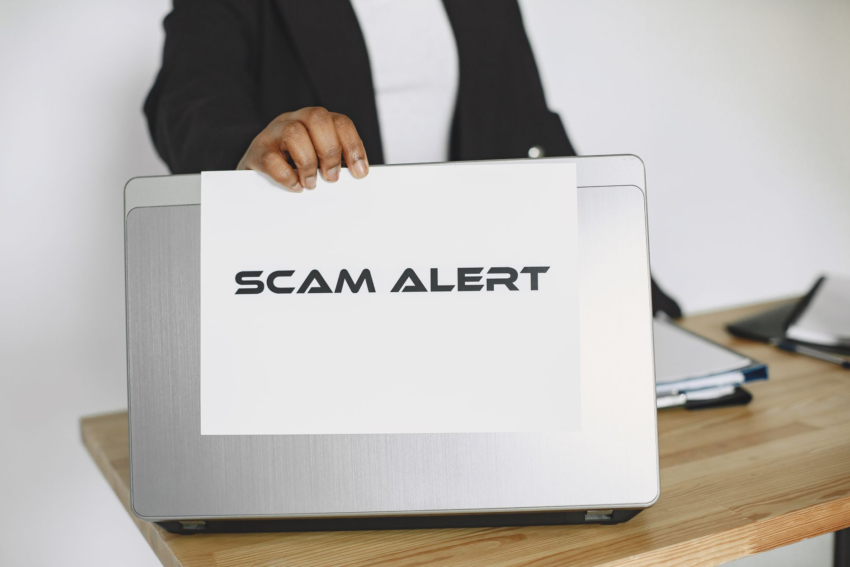
Photo: Gustavo Fring via Pexels (source)
- 56 million phishing emails reported in the UK (West Mercia Police, 2026)
- Cybercriminals use fake CAPTCHA verification to trick victims (Kerala Police, 2026)
- Ransomware attacks lock systems and demand payment (The Star, 2026)
- Job seekers fall for re-shipping scams (MSN, 2026)
- Coca-Cola Company faces class action lawsuit after ransomware attack (MSN, 2026)
- Phishing scams involve emails, texts, QR codes, or phone calls (West Mercia Police, 2026)
1. Today’s Key Headlines
Kerala Police has issued a public advisory warning internet users about a new cyber fraud known as ‘ClickFix’, which uses fake CAPTCHA verification prompts to trick victims into giving attackers access to their computers and sensitive personal information.
Meanwhile, West Mercia Police reports that phishing emails have reached an all-time high, with over 56 million emails reported in the UK.
2. Ransomware Attacks
Ransomware attacks are on the rise, with attackers locking systems and demanding payment in exchange for restoring access.
A recent example is the ransomware attack on the Coca-Cola Company, which has sparked a class action lawsuit.
Video: KSAT News at Noon : Aug 04, 2026. Source: KSAT 12.
3. Job Seekers Targeted
Job seekers are also being targeted by cybercriminals, with re-shipping scams becoming increasingly common.
One such scam was reported in Palm Bay, where a job seeker fell for a re-shipping scam tied to a real business name.
Video: FBI: Hackers targeted water systems in seven states | NBC New York. Source: NBC New York.
What the Research Actually Says
Research has shown that certain personality traits, such as impulsivity, can increase the risk of falling victim to online scams (Kirwan et al., 2018, Cyberpsychology, Behavior, and Social Networking).
A study by Hijji and Alam (2022, Sensors) found that a cybersecurity awareness and training framework can help organizations evaluate and measure their employees’ capability in the cybersecurity domain.
How to Protect Yourself and Your Family
- Be cautious of fake CAPTCHA verification prompts and never execute system commands or install software during verification (Kerala Police, 2026)
- Use a cybersecurity awareness and training framework to evaluate and measure your cybersecurity capability (Hijji and Alam, 2022, Sensors)
- Avoid clicking on suspicious links or downloading attachments from unknown sources (West Mercia Police, 2026)
- Report suspicious emails or text messages to the relevant authorities (West Mercia Police, 2026)
- Use strong passwords and keep your software up to date to reduce the risk of ransomware attacks (The Star, 2026)
- Be aware of phishing scams and never give out personal or financial information in response to an email or phone call (West Mercia Police, 2026)


Kemetic Minds Analysis
Today’s briefing pulled from 6 news sources and 3 peer-reviewed studies. Today’s strongest research signal comes from Cyberpsychology, Behavior, and Social Networking (2018), cited 36 times — the kind of study worth weighing more heavily than a single news anecdote. The pattern worth watching isn’t any single scam headline — it’s whether today’s news matches what the research already predicts about who gets targeted and what actually reduces risk, or whether it’s a genuinely new variant the literature hasn’t caught up to yet.
References
- Bing News. (2026, August 4). Don't click that CAPTCHA: Kerala Police warns of 'ClickFix' cyber scam. english.mathrubhumi.com
- Bing News. (2026, August 4). The scam text test: Spot danger before you tap. msn.com
- Bing News. (2026, August 4). Police warning as dodgy emails reaches all-time high. worcesternews.co.uk
- Bing News. (2026, August 4). Job seeker falls for re-shipping scam tied to Palm Bay business name. msn.com
- Bing News. (2026, August 4). Fairlife, Coca-Cola Company ransomware attack sparks class action lawsuit. msn.com
- Bing News. (2026, August 5). The six stages of a ransomware attack. the-star.co.ke
- Kirwan, Fullwood, Rooney (2018). Risk Factors for Social Networking Site Scam Victimization Among Malaysian Students. Cyberpsychology, Behavior, and Social Networking. doi.org/10.1089/cyber.2016.0714
- Hijji, Alam (2022). Cybersecurity Awareness and Training (CAT) Framework for Remote Working Employees. Sensors. doi.org/10.3390/s22228663
- Sonck, de Haan (2013). How The Internet Skills Of European 11- To 16-Year-Olds Mediate Between Online Risk And Harm. Journal of Children and Media. doi.org/10.1080/17482798.2012.739783
Investigative Methodology: This briefing is generated on a fixed daily schedule (6:00 AM, America/Chicago) from live news wires and the CrossRef scholarly database. Every news claim is grounded in fetched source text with an APA7 in-text citation. Every peer-reviewed source is a real, DOI-verifiable journal article — filtered to results with a named author list, a named journal, and at least 3 citations to screen out predatory or uncited entries — never a fabricated or paraphrased-from-memory study. Every video embed is verified to be a real, existing video via YouTube’s oEmbed endpoint before publication. The featured image is a real photograph sourced from Pexels, not an AI-generated image. No Wikipedia sources are used.
Stay Connected

Kemetic Minds Editorial Desk
Verified NewsroomPrimary-sourced investigative intelligence on civil rights, voting rights, federal policy, and consumer protection. Sourced from primary legal filings, government statistics, and direct field reporting.