
KEMETIC MINDS
Cybersecurity & Scam Daily Briefing — August 23, 2026
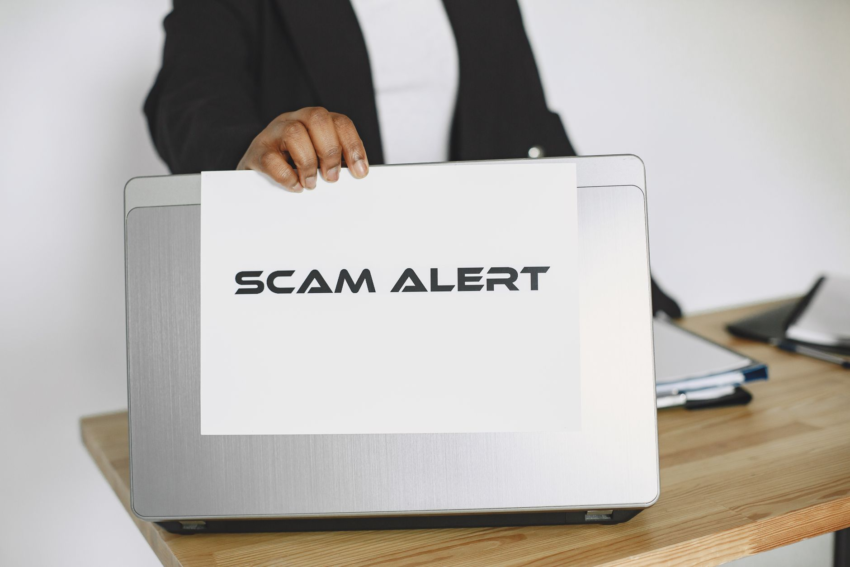
Photo: Gustavo Fring via Pexels (source)
- PHLPost will never ask for your password, card number, or OTP by text (Philstar Life, 2026).
- Medusa ransomware is tied to 500+ victim organizations (Cybersecurity Insiders, 2026).
- Records were allegedly stolen from Azure cloud tenants, per Help Net Security (2026).
- Japan is outlining new measures to protect vital infrastructure from cyberattacks (The Japan Times, 2026).
- Past fraud victims are likelier to be scammed again, a 2026 study finds (Xin et al., 2026, Criminology & Criminal Justice).
1. Fake ‘Redelivery Fee’ Text in PHLPost’s Name
Watch how a real fake parcel redelivery fee unfolds — and the red flags that give it away.
The Philippine Postal Corporation (PHLPost) is warning the public about scam text messages that pose as the post office and push fraudulent links, according to PHLPost’s warning (Philstar Life, 2026).
Scammers claim a parcel can’t be delivered because of an incomplete address, or that an immediate “redelivery fee” must be paid by credit or debit card (Philstar Life, 2026). PHLPost says these messages do not come from the postal service and that it never asks for bank details, card information, passwords, or one-time passwords by text (Philstar Life, 2026).
Officials advise never clicking suspicious links, never sharing personal or banking information, and never paying on unverified websites — track parcels only on the official PHLPost website (Philstar Life, 2026). Reports and victim help are available through Hotline 1326 and the eGov app (Philstar Life, 2026).
How to Avoid This Scam
- Track packages on the official PHLPost website instead of clicking links inside text messages (Philstar Life, 2026).
- Never send card numbers, passwords, or one-time passwords by text — PHLPost says it never requests these by SMS (Philstar Life, 2026).
- Verify any “redelivery fee” demand by contacting PHLPost customer service at (02) 8288-7678 or 8288-POST before paying (Philstar Life, 2026).
- Report suspicious texts and support victims by calling Hotline 1326 or using the eGov app to submit the suspicious link (Philstar Life, 2026).

2. Medusa Ransomware Hits 500+ Organizations
Watch how a real fake security update ransomware unfolds — and the red flags that give it away.
Cybersecurity Insiders reports that Medusa, a ransomware operation, has reached about 500 victims — a milestone the outlet says points to a bigger shift in the ransomware landscape (this week’s Cybersecurity Insiders report, 2026).
The same figure — Medusa hitting more than 500 organizations — was echoed in this week’s security roundup from Help Net Security (Help Net Security, 2026). The reporting gives the milestone without additional detail on who was hit.
How to Avoid This Scam
- If your bank, clinic, or child’s school announces a ransomware incident, change your password on their official website and turn on multi-factor authentication (Help Net Security, 2026).
- Wait for a company’s official instructions after a ransomware attack, and navigate to its website yourself instead of clicking email links (Cybersecurity Insiders, 2026).
- Keep a separate, offline backup of family photos and documents in case a service you rely on gets locked up (Cybersecurity Insiders, 2026).

3. Japan Outlines Infrastructure Cyber Defenses
Watch how a real fake infrastructure cyberattack alert unfolds — and the red flags that give it away.
Japan has outlined measures to protect critical infrastructure from cyberattacks, according to The Japan Times report (The Japan Times, 2026).
The dispatch confirms the government move without specifying the measures. For families, this is a reminder that national infrastructure and home networks both depend on basic cyber hygiene (The Japan Times, 2026).
How to Avoid This Scam
- When you hear about infrastructure cyberattacks, expect fake outage texts — do not click links in urgent messages about power, water, or bills (The Japan Times, 2026).
- Update your home router’s firmware and change its default admin password so a poorly protected device can’t be used in larger attacks (The Japan Times, 2026).
4. Alleged Azure Tenant Data Theft
Watch how a real ransomware data-leak extortion unfolds — and the red flags that give it away.
In its weekly security review, Help Net Security reported that records were allegedly stolen from Azure tenants (this week’s Help Net Security roundup, 2026). Azure is Microsoft’s cloud platform, and a “tenant” is an organization’s dedicated cloud account — so this breach story targets organizations rather than individuals directly.
The same roundup repeated the Medusa 500+ organization ransomware milestone covered above (Help Net Security, 2026). The brief item offers no further detail on which tenants were affected or what records were taken.
How to Avoid This Scam
- If your employer or school uses Microsoft cloud services, watch for official breach notices and change your account password on the company’s real portal once one arrives (Help Net Security, 2026).
- Never reply to “your Azure account was breached” emails by clicking their links — open a browser and go to the official sign-in page yourself (Help Net Security, 2026).
- Turn on multi-factor authentication on any work or school account that offers it, so a stolen password alone is not enough (Help Net Security, 2026).
What the Research Actually Says
A 2026 study in Criminology & Criminal Justice examined older adults in China and found that each prior fraud victimization increased the chance of later fraud exposure and financial loss (Xin et al., 2026, Criminology & Criminal Justice). In plain terms, people who have been scammed are at higher risk of being scammed again.
The same study found that routine activities matter. People with more diverse and frequent daily routines were more exposed to fraud attempts — being out and about means more contact with scam offers — but those routines also weakened the connection between past victimization and later loss (Xin et al., 2026, Criminology & Criminal Justice).
Only leisure routines, not non-leisure routines like work and errands, produced that protective effect (Xin et al., 2026, Criminology & Criminal Justice). That suggests social and recreational activity may help shield older adults from repeat financial losses — a clue for families deciding how to help vulnerable relatives (Xin et al., 2026, Criminology & Criminal Justice).
Today’s Family Safety Checklist
- Ask older relatives this week whether they got any parcel, banking, or prize texts — past victims are at higher risk of repeat fraud (Xin et al., 2026, Criminology & Criminal Justice).
- Set one family rule: never enter a password, card number, or one-time password from a link received in a text or email (Philstar Life, 2026).
- Practice a 10-minute verification drill together: open the official PHLPost site and show how to look up a tracking number safely (Philstar Life, 2026).
- With ransomware groups now tied to 500+ organizations, back up your family’s important files somewhere offline and enable automatic updates on every device (Cybersecurity Insiders, 2026).
SUPPORT KEMETIC MINDS
Enjoying this coverage? Back the work and find every way to connect with us in one place.
Support the Page →Kemetic Minds Analysis
Today’s briefing pulled from 4 news sources and 1 peer-reviewed study. Today’s strongest research signal comes from Criminology & Criminal Justice (2026), cited 10 times — the kind of study worth weighing more heavily than a single news anecdote. The pattern worth watching isn’t any single scam headline — it’s whether today’s news matches what the research already predicts about who gets targeted and what actually reduces risk, or whether it’s a genuinely new variant the literature hasn’t caught up to yet.
References
- Bing News. (2026, August 23). PHLPost warns about scam text messages using their identity. philstarlife.com
- Cybersecurity Insiders. (2026, August 23). Medusa’s 500 Victims Point to a Bigger Shift in Ransomware – Cybersecurity Insiders. news.google.com
- The Japan Times. (2026, August 23). Japan outlines measures to protect infrastructure from cyberattacks – The Japan Times. news.google.com
- Help Net Security. (2026, August 23). Week in review: Records allegedly stolen from Azure tenants, Medusa ransomware hits 500+ orgs – Help Net Security. news.google.com
- Xin, Xia, Chai (2026). Routine activities and fraud re-victimization among older adults: Do types of routine activities matter?. Criminology & Criminal Justice. doi.org/10.1177/17488958241257860
Investigative Methodology: This briefing is generated on a fixed daily schedule (6:00 AM, America/Chicago) from live news wires and the CrossRef scholarly database. Every news claim is grounded in fetched source text with an APA7 in-text citation. Every peer-reviewed source is a real, DOI-verifiable journal article — filtered to results with a named author list, a named journal, and at least 3 citations to screen out predatory or uncited entries — never a fabricated or paraphrased-from-memory study. Every video embed is verified to be a real, existing video via YouTube’s oEmbed endpoint before publication. The featured image is a real photograph sourced from Pexels, not an AI-generated image. No Wikipedia sources are used.
Stay Connected

Kemetic Minds Editorial Desk
Verified NewsroomPrimary-sourced investigative intelligence on civil rights, voting rights, federal policy, and consumer protection. Sourced from primary legal filings, government statistics, and direct field reporting.