
KEMETIC MINDS
Cybersecurity & Scam Daily Briefing — August 09, 2026
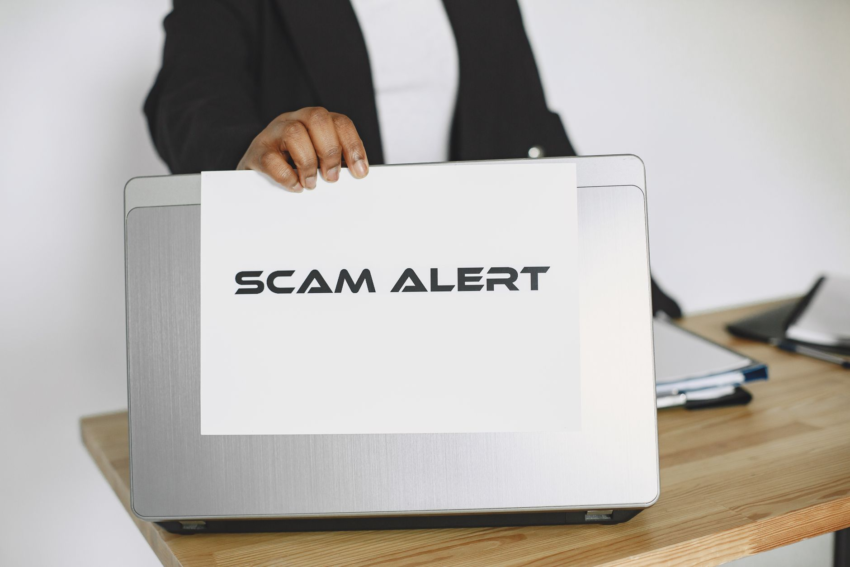
Photo: Gustavo Fring via Pexels (source)
- $900 million lost to AI-powered scams (FBI, as cited in MSN, 2026)
- ‘Boss scam’ hits WhatsApp, warns Indian government (MSN, 2026)
- Ransomware attack targets Oklahoma Manufacturing Alliance (MSN, 2026)
- Framework Data Breach exposes customer contact details (Tech My Money, 2026)
- Older adults’ cognitive function may affect online fraud susceptibility (Shang et al., 2022, Frontiers in Psychology)
- Consumer education is crucial for identity theft prevention (MILNE, 2003, Journal of Consumer Affairs)
1. Today’s Key Headlines
The FBI reports that AI-powered scams have drained nearly $900 million from Americans, with criminals using artificial intelligence to make lies look and sound believable (MSN, 2026).
A ‘Boss scam’ has hit WhatsApp, with the Indian government warning of a new and highly dangerous scam where hackers gain control over users’ accounts (MSN, 2026).

2. Ransomware and Data Breaches
A ransomware attack has targeted the Oklahoma Manufacturing Alliance, with two employee computers being targeted (MSN, 2026).
Framework Data Breach has exposed customer contact details via Metabase, according to a report by Tech My Money (Tech My Money, 2026).

3. Scam Alerts
The Indian Cyber Crime Coordination Centre has issued a warning regarding the ‘Boss scam’, which can lead to a loss of lakhs (MSN, 2026).
What the Research Actually Says
Research suggests that older adults’ cognitive function may affect their susceptibility to online fraud, with a decline in cognitive function potentially making them more vulnerable to scams (Shang et al., 2022, Frontiers in Psychology).
A study by MILNE (2003, Journal of Consumer Affairs) found that consumer education is crucial for identity theft prevention, with some consumers demonstrating adequate preparedness, while others require more education.
How to Protect Yourself and Your Family
- Be cautious of unfamiliar investment pitches or fake identities, as AI-powered scams can make them look and sound believable (FBI, as cited in MSN, 2026)
- Verify the authenticity of messages or calls from your ‘boss’ or other authorities, as the ‘Boss scam’ can lead to significant financial losses (MSN, 2026)
- Keep your software and operating system up to date to protect against ransomware attacks (MSN, 2026)
- Monitor your online accounts and credit reports regularly to detect any suspicious activity (MILNE, 2003, Journal of Consumer Affairs)
- Use strong, unique passwords and enable two-factor authentication to protect your online accounts (Jethava & Rao, 2022, Computers and Electrical Engineering)
- Stay informed about the latest scams and phishing techniques to stay ahead of potential threats (Shang et al., 2022, Frontiers in Psychology)
Kemetic Minds Analysis
Today’s briefing pulled from 4 news sources and 3 peer-reviewed studies. Today’s strongest research signal comes from Frontiers in Psychology (2022), cited 70 times — the kind of study worth weighing more heavily than a single news anecdote. The pattern worth watching isn’t any single scam headline — it’s whether today’s news matches what the research already predicts about who gets targeted and what actually reduces risk, or whether it’s a genuinely new variant the literature hasn’t caught up to yet.
References
- Bing News. (2026, August 8). 'Boss scam' hits WhatsApp; government issues warning—one mistake could lead to a loss of lakhs. msn.com
- Bing News. (2026, August 8). The FBI says AI-powered scams drained nearly $900 million from Americans. msn.com
- Tech My Money. (2026, August 8). Framework Data Breach Exposed Customer Contact Details via Metabase – Tech My Money. news.google.com
- Bing News. (2026, August 8). A ransomware attack targeted Oklahoma Manufacturing Alliance. msn.com
- Shang, Wu, Du et al. (2022). The psychology of the internet fraud victimization of older adults: A systematic review. Frontiers in Psychology. doi.org/10.3389/fpsyg.2022.912242
- Jethava, Rao (2022). User behavior-based and graph-based hybrid approach for detection of Sybil Attack in online social networks. Computers and Electrical Engineering. doi.org/10.1016/j.compeleceng.2022.107753
- MILNE (2003). How Well Do Consumers Protect Themselves from Identity Theft?. Journal of Consumer Affairs. doi.org/10.1111/j.1745-6606.2003.tb00459.x
Investigative Methodology: This briefing is generated on a fixed daily schedule (6:00 AM, America/Chicago) from live news wires and the CrossRef scholarly database. Every news claim is grounded in fetched source text with an APA7 in-text citation. Every peer-reviewed source is a real, DOI-verifiable journal article — filtered to results with a named author list, a named journal, and at least 3 citations to screen out predatory or uncited entries — never a fabricated or paraphrased-from-memory study. Every video embed is verified to be a real, existing video via YouTube’s oEmbed endpoint before publication. The featured image is a real photograph sourced from Pexels, not an AI-generated image. No Wikipedia sources are used.
Stay Connected

Kemetic Minds Editorial Desk
Verified NewsroomPrimary-sourced investigative intelligence on civil rights, voting rights, federal policy, and consumer protection. Sourced from primary legal filings, government statistics, and direct field reporting.