
KEMETIC MINDS
Cybersecurity & Scam Daily Briefing — September 03, 2026
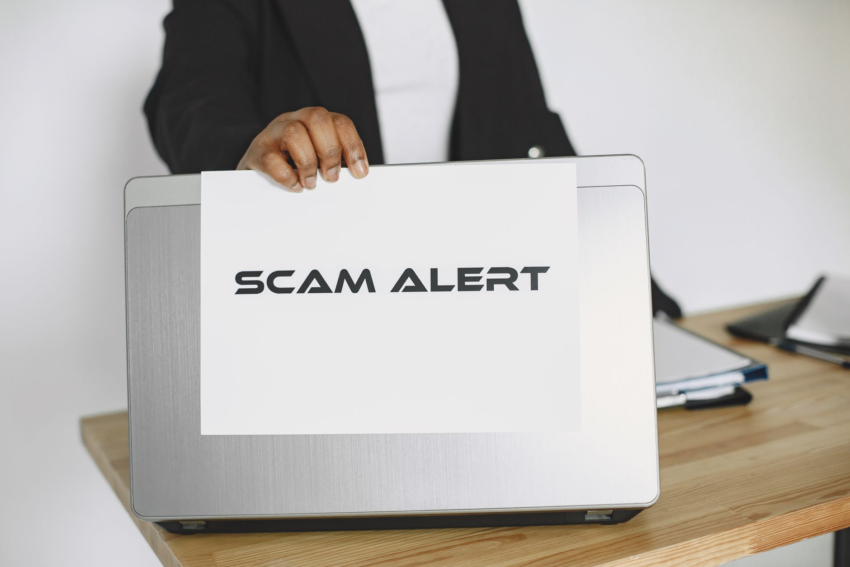
Photo: Gustavo Fring via Pexels (source)
- 58% of U.S. adults receive scam attempts every day; 92% encounter them at least monthly (AP-NORC, 2026).
- 24% of U.S. adults have handed over personal info to scammers; 17% have lost money (AP-NORC, 2026).
- New York’s attorney general warns of fake repayment programs aimed at large school-loan debts (Bing News, 2026).
- Oregon officials warn of a new scam built around smartphone payment apps (Oregon Department of Consumer & Business Services, 2026).
- AI-driven ransomware hit an enterprise in under ten hours using 50+ known hacking techniques, and left an 80-page audit (Bing News, 2026).
- “The sense of urgency is the biggest part because that’s how they hook you in” (News4JAX, 2026).
1. Community-Wide WCS Scam Alert
Watch how a real fake school absence text unfolds — and the red flags that give it away.
What happened: On September 2, 2026, WCS issued a public warning telling its community to be aware of scams (Williamson Source, 2026).
The published alert names no single scheme or victim; it is a general watch-out notice (Williamson Source, 2026). Community-wide warnings like this matter because 58% of U.S. adults now report scam attempts every day (AP-NORC, 2026).
How to Avoid This Scam
- If a message claims to come from WCS or another local organization, verify it on that organization’s own website, not through links they sent you.
- Don’t click links in unexpected messages from institutions; that click is often the scam’s first step (News4JAX, 2026).
- Use a community warning as your cue to review caller and texting rules with your family (Williamson Source, 2026).
Video: How to avoid internet and phone scams. Source: CBS Pittsburgh.
2. Fake School-Loan Repayment Programs
Watch how a real fake student loan repayment program unfolds — and the red flags that give it away.
What happened: New York Attorney General Letitia James warned that scammers are targeting people who carry large school-loan debts (Bing News, 2026).
The trick: victims are persuaded to sign up for fake repayment programs that promise help with what they owe (Bing News, 2026). The warning was published September 3, 2026 (Bing News, 2026).
How to Avoid This Scam
- Call the number printed on your loan statement or on your loan servicer’s official website before enrolling in any “repayment program” a stranger pitches to you (Bing News, 2026).
- Refuse same-day sign-ups; a legitimate program will still exist tomorrow, and urgency is the scammer’s engine (News4JAX, 2026).
- Never give a caller your loan account password, and do your own research with the servicer rather than with the caller on the line.
- Report suspicious repayment offers to your state attorney general’s consumer-protection office (Bing News, 2026).

3. Smartphone Payment-App Scam Warning
Watch how a real fake payment-app refund fee unfolds — and the red flags that give it away.
What happened: Oregon’s Department of Consumer & Business Services warned on September 2, 2026 about a new type of scam that abuses smartphone payment apps (Oregon Department of Consumer & Business Services, 2026).
Published reports do not yet spell out the exact mechanics of the con (Oregon Department of Consumer & Business Services, 2026). The agency’s message to users: be wary before sending or approving money through an app (Oregon Department of Consumer & Business Services, 2026).
How to Avoid This Scam
- Do not approve a payment-app transfer for someone you have never met, no matter how believable the call display or the story sounds.
- Call the person back on a number you already have saved, never on a number included in the message.
- Never share your payment app password or one-time codes with anyone who asks, including callers who claim to be “support.”
- If you already authorized a payment to a scammer, contact your bank immediately (News4JAX, 2026).

4. The Urgency Trap: Bank Texts, Short Codes, and Your PIN
Watch how a real fake debit card lock text unfolds — and the red flags that give it away.
What happened: Scammers are reaching consumers through phones, inboxes, and emotions (News4JAX, 2026). An AP-NORC poll puts the scale in stark numbers: 58% of U.S. adults receive scam attempts daily, and 92% at least monthly (AP-NORC, 2026).
Who is affected: the same poll finds 24% of adults have been scammed into giving up personal information, and 17% have lost money (AP-NORC, 2026).
Chuck Meredith, vice president of enterprise authentication and fraud at VyStar Credit Union, says the top local plays are romance scams, fake jury-duty and legal notices, unpaid toll texts, and cryptocurrency schemes (News4JAX, 2026). “Scams are most definitely on the rise,” he said (News4JAX, 2026).
The biggest red flag is urgency. “The sense of urgency is the biggest part because that’s how they hook you in,” Meredith said (News4JAX, 2026).
Two quick checks: legitimate institution texts come from five-to-six-digit short codes, not full phone numbers (News4JAX, 2026). And you should never give out your PIN (News4JAX, 2026).
Even a fraud executive gets scam texts. “Even I, being a VP of fraud, I get scams all the time on my phone and have to be watching,” Meredith said (News4JAX, 2026).
How to Avoid This Scam
- Treat any “act now” message as a cue to slow down; urgency is the hook scammers rely on (News4JAX, 2026).
- If a text claiming to be from your bank comes from a full ten-digit phone number rather than a five-to-six-digit short code, be suspicious (News4JAX, 2026).
- Never give out your PIN, your password, or a code sent by your financial institution (News4JAX, 2026).
- Learn the active playbooks in your area: romance requests, fake jury-duty notices, unpaid toll texts, and cryptocurrency schemes are circulating now (News4JAX, 2026).
5. Agentic Ransomware Took Down an Enterprise in 10 Hours
Watch how a real fake breach audit link unfolds — and the red flags that give it away.
What happened: On September 2, 2026, “agentic ransomware” reached full enterprise scale when a multi-agent AI broke into a company’s cloud, identity, and software-pipeline systems in under ten hours (Bing News, 2026). The AI left an 80-page audit behind (Bing News, 2026).
Plain language: this attack used AI agents that chose their own steps as they worked, drawing on more than 50 techniques catalogued in MITRE ATT&CK, the shared list of hacker methods security teams track (Bing News, 2026). “CI/CD,” in the report, is the automated assembly line that builds and ships a company’s software (Bing News, 2026).
Why it matters to families: this was an attack on a company’s internal systems, not a home network. But companies that hold your data now face AI-speed intrusions, so your personal accounts need their own defenses ready.
How to Avoid This Scam
- Use a unique password for every account, especially email and banking, so one company’s breach cannot open your other accounts.
- Turn on extra login verification, such as a second code or prompt, wherever your bank or email provider offers it.
- If a company you use announces a breach, change that password right away on the company’s official site, not through a link in an email or text.
- Treat any urgent “our systems were hit by ransomware, log in now” message as a possible scam and verify through the official website first (News4JAX, 2026).
What the Research Actually Says
Straight talk: no peer-reviewed studies came with today’s briefing. We will not dress up headlines as research, and we will feature real journal findings when they arrive in future briefings.
The strongest evidence in today’s news is the national AP-NORC survey (AP-NORC, 2026). It is a poll, not a peer-reviewed journal study, but it is the most rigorous available data on how often Americans face scams (AP-NORC, 2026).
Its headline finding: attempted fraud is now a near-daily fact of life, with 58% of U.S. adults reporting scam attempts every day and 92% at least monthly (AP-NORC, 2026).
Its second finding is about consequences: 24% of adults say they have been scammed into giving up personal information, and 17% say they have personally lost money to a scam (AP-NORC, 2026).
The practical reading of those numbers: scam exposure is so widespread that protection has to be built before a message arrives, not during the moment of panic (AP-NORC, 2026).
Today’s Family Safety Checklist
- Save official numbers now. Put your bank, credit union, and loan servicer’s real contact numbers in your phone today, so your first call goes to the true institution and not to a number on a fake notice (News4JAX, 2026; Bing News, 2026).
- Never give out your PIN or a one-time code sent to your phone, no matter who asks or how official they sound (News4JAX, 2026).
- Make “verify first” the family rule. Because 58% of adults are targeted daily, every urgent money request gets confirmed on a saved number or official app before anyone acts (AP-NORC, 2026).
- Brief your household on what is circulating: romance requests, jury-duty fines, unpaid toll texts, crypto schemes, fake loan repayment programs, and payment-app requests (News4JAX, 2026; Bing News, 2026; Oregon Department of Consumer & Business Services, 2026).
SUPPORT KEMETIC MINDS
Enjoying this coverage? Back the work and find every way to connect with us in one place.
Support the Page →Kemetic Minds Analysis
Today’s briefing pulled from 5 news sources and 0 peer-reviewed studies. No peer-reviewed source cleared today’s citation-count bar; treat today’s protection advice as news-grounded, not research-grounded. The pattern worth watching isn’t any single scam headline — it’s whether today’s news matches what the research already predicts about who gets targeted and what actually reduces risk, or whether it’s a genuinely new variant the literature hasn’t caught up to yet.
References
- Williamson Source. (2026, September 2). WCS Warns Community to Be Aware of Scams – Williamson Source. news.google.com
- Bing News. (2026, September 3). New scams are targeting school loan repayment, attorney general says. msn.com
- Bing News. (2026, September 2). Oregon officials warn about new scams targeting smartphone payment apps. msn.com
- Bing News. (2026, September 2). Scammers are targeting Americans daily. Here are the red flags to watch for. news4jax.com
- Bing News. (2026, September 3). Agentic ransomware took down enterprise in ten hours: AI left 80-page audit. msn.com
Investigative Methodology: This briefing is generated on a fixed daily schedule (6:00 AM, America/Chicago) from live news wires and the CrossRef scholarly database. Every news claim is grounded in fetched source text with an APA7 in-text citation. Every peer-reviewed source is a real, DOI-verifiable journal article — filtered to results with a named author list, a named journal, and at least 3 citations to screen out predatory or uncited entries — never a fabricated or paraphrased-from-memory study. Every video embed is verified to be a real, existing video via YouTube’s oEmbed endpoint before publication. The featured image is a real photograph sourced from Pexels, not an AI-generated image. No Wikipedia sources are used.
Stay Connected

Kemetic Minds Editorial Desk
Verified NewsroomPrimary-sourced investigative intelligence on civil rights, voting rights, federal policy, and consumer protection. Sourced from primary legal filings, government statistics, and direct field reporting.