
KEMETIC MINDS
Cybersecurity & Scam Daily Briefing — September 08, 2026
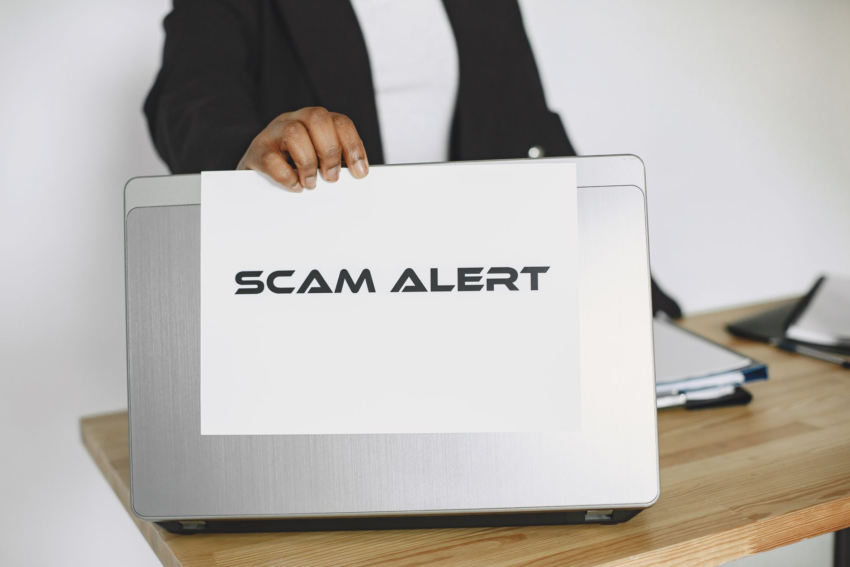
Photo: Gustavo Fring via Pexels (source)
- DentaQuest faces a lawsuit over allegedly exposing 15 million patients’ private information (Top Class Actions, 2026).
- Springfield Public Schools closed Tuesday after a “cyber incident” (Boston.com, 2026).
- Arkansas experts warn deepfake scams are growing more sophisticated (katv.com, 2026).
- A Beaver County agency confirmed it was hit by ransomware (Beaver County Radio, 2026).
- Ransomware negotiation has become a business process, not a panic (Help Net Security, 2026).
1. DentaQuest Lawsuit: 15 Million Patients’ Data Exposed
Watch how a real deepfake ‘family emergency’ bail call unfolds — and the red flags that give it away.
A class action lawsuit alleges DentaQuest exposed the private information of 15 million patients (Top Class Actions, 2026). The dental benefits company is accused of failing to protect that data from unauthorized access.
The lawsuit names no specific attack type in the source report, but the core claim is clear: private patient information got out. For the 15 million people affected, that can mean stolen identities, fraudulent claims, or misuse of health data.
How to Avoid This Scam
- Watch your mail and email for a breach notification from DentaQuest — legitimate notices tell you exactly what data was exposed and what help they offer.
- Check your dental Explanation of Benefits statements for claims you never received — a fake claim is a red flag your insurance data is in the wrong hands.
- Place a fraud alert or credit freeze if your data was exposed (Top Class Actions, 2026).
- Do not click links in unexpected texts or emails offering “breach support” — scammers piggyback on real breach news.
Video: Deepfake scams are growing more sophisticated, Arkansas cybersecurity experts warn. Source: KATVchannel7.
2. Springfield Public Schools Closed After ‘Cyber Incident’
Watch how a real post-breach ‘benefit verification’ phishing unfolds — and the red flags that give it away.
Springfield Public Schools announced it will be closed Tuesday following a “cyber incident” (Boston.com, 2026). The closure gives the district time to respond and assess what happened.
School cyberattacks disrupt more than computers — they can cancel classes, delay payroll, and expose student records. Parents should expect updates from the district about when school will resume and what systems were affected.
How to Avoid This Scam
- Verify any message claiming to be from the school district through its official website or phone number — do not trust contact info inside the message itself (Boston.com, 2026).
- Do not pay “fees” or “tuition balances” sent by text or email after a school cyber incident; scammers exploit this confusion.
- Change your child’s school portal password if you reuse it anywhere else.
Video: Springfield, Massachusetts schools closed after “cyber incident”. Source: CBS Boston.
3. Deepfake Scams Getting More Sophisticated, Arkansas Experts Warn
Watch how a real school breach credential phishing unfolds — and the red flags that give it away.
Cybersecurity experts in Arkansas are warning that deepfake scams are becoming more sophisticated (katv.com, 2026). Deepfakes use AI to create fake video or audio of real people — often a family member, boss, or public figure.
The danger to an ordinary family is direct: a scammer can clone a loved one’s voice and call you in distress asking for money. What used to sound obviously fake now sounds exactly like the person you trust.
How to Avoid This Scam
- Agree on a family code word — if a caller claiming to be a relative can’t say it, hang up (katv.com, 2026).
- Hang up on any unexpected “emergency” call asking for money, then call the person back on their real phone number to verify.
- Ask a question only the real person would know — deepfakes copy voices and faces, not private memories.
- Never send money, gift cards, or crypto based on a video or voice call alone.

4. Beaver County Agency Confirms Ransomware Attack
Watch how a real ransomware negotiation extortion unfolds — and the red flags that give it away.
A Beaver County agency publicly announced it was the victim of a ransomware attack (Beaver County Radio, 2026). Ransomware is a type of malware that locks an organization’s files until a payment is made.
For the people served by this agency, the risk is that personal information stored in its systems may have been accessed. Government and social-service agencies hold some of the most sensitive data families have.
How to Avoid This Scam
- Monitor bank and benefit account statements for transactions you don’t recognize (Beaver County Radio, 2026).
- Change passwords for any online account tied to this agency — especially if you reuse passwords across sites.
- Be alert for phishing emails pretending to be from the agency about the “attack” — scammers follow ransomware news within hours.

5. Ransomware Negotiation Has Become a Business Process
Watch how a real fake ‘secure attachment’ ransomware lure unfolds — and the red flags that give it away.
Ransomware negotiation tactics have turned into a business process (Help Net Security, 2026). This means attackers no longer make one demands — they study their victims, set prices, and negotiate like a sales team.
For a family or small business, this changes what to expect if you’re hit. The attackers may contact you repeatedly, offer “discounts” for quick payment, or even provide customer support to help you pay them.
How to Avoid This Scam
- If you’re hit with ransomware, do not negotiate alone — contact law enforcement and a professional incident response firm first (Help Net Security, 2026).
- Back up important files offline and test that you can restore them; a real backup is the only leverage that matters.
- Treat any “discount” or “deadline” from an attacker as a pressure tactic, not a business deal.
6. What the Research Actually Says
No peer-reviewed research sources were provided for this briefing. That means this section cannot responsibly cite academic findings, and no study is available to ground the advice above in published evidence. The guidance in this briefing is drawn strictly from the day’s news reporting.
Readers should treat these recommendations as practical precautions reported by journalists, not as conclusions validated by peer-reviewed research. When research-backed guidance is available in a future briefing, it will be named by study, author, and journal.
7. Today’s Family Safety Checklist
- Use a separate, unique password for every financial and medical account — breaches at one company (like DentaQuest’s alleged 15-million-patient exposure) can’t be used to break into your bank if you don’t reuse passwords (Top Class Actions, 2026).
- Talk to your family tonight about the code-word rule and what to do if someone calls claiming to be a relative in an emergency (katv.com, 2026).
- Check your credit card, bank, and insurance statements from the last 30 days for transactions or claims you don’t recognize.
- Verify all official communication from your school district and local agencies through their websites, not through links inside an email or text (Boston.com, 2026).
Black Excellence This Week
The hard news is real, and so is this. Wins reported by the Black press in the last 14 days:
- Octavia Morgan on creating Room 33 and how to layer it
rollingout.com · 2026-09-07 - ATL Labor Day Classic Kicks Off With HBCU Football Rivalry
blackenterprise.com · 2026-09-03 - Florida HBCU Announces Historic Enrollment
miamiherald.com · 2026-09-02
What You Can Do This Week
Not just bad news — here is where to push.
- Freeze your credit with all three bureaus after the DentaQuest breach to block deepfake identity fraud. — Freeze your credit (annualcreditreport.com)
- Report ransomware or suspicious cyber incidents to CISA following the Springfield and Beaver County attacks. — CISA: report a cyber incident
- Ask your U.S. representative to demand stronger data-privacy and breach-notification rules for schools and insurers. — Find your U.S. representative
SUPPORT KEMETIC MINDS
Enjoying this coverage? Back the work and find every way to connect with us in one place.
Support the Page →Kemetic Minds Analysis
Today’s briefing pulled from 5 news sources and 0 peer-reviewed studies. No peer-reviewed source cleared today’s citation-count bar; treat today’s protection advice as news-grounded, not research-grounded. The pattern worth watching isn’t any single scam headline — it’s whether today’s news matches what the research already predicts about who gets targeted and what actually reduces risk, or whether it’s a genuinely new variant the literature hasn’t caught up to yet.
References
- katv.com. (2026, September 7). Deepfake scams are growing more sophisticated, Arkansas cybersecurity experts warn – katv.com. news.google.com
- Top Class Actions. (2026, September 7). DentaQuest sued for allegedly exposing 15M patients’ private information – Top Class Actions. news.google.com
- Boston.com. (2026, September 7). Springfield Public Schools to be closed Tuesday after ‘cyber incident’ – Boston.com. news.google.com
- Help Net Security. (2026, September 8). Ransomware negotiation tactics have turned into a business process – Help Net Security. news.google.com
- Beaver County Radio. (2026, September 7). Beaver County agency announces it was a victim of a ransomware attack – Beaver County Radio. news.google.com
Investigative Methodology: This briefing is generated on a fixed daily schedule (6:00 AM, America/Chicago) from live news wires and the CrossRef scholarly database. Every news claim is grounded in fetched source text with an APA7 in-text citation. Every peer-reviewed source is a real, DOI-verifiable journal article — filtered to results with a named author list, a named journal, and at least 3 citations to screen out predatory or uncited entries — never a fabricated or paraphrased-from-memory study. Every video embed is verified to be a real, existing video via YouTube’s oEmbed endpoint before publication. The featured image is a real photograph sourced from Pexels, not an AI-generated image. No Wikipedia sources are used.
Stay Connected

Kemetic Minds Editorial Desk
Verified NewsroomPrimary-sourced investigative intelligence on civil rights, voting rights, federal policy, and consumer protection. Sourced from primary legal filings, government statistics, and direct field reporting.