
KEMETIC MINDS
Cybersecurity & Scam Daily Briefing — August 16, 2026
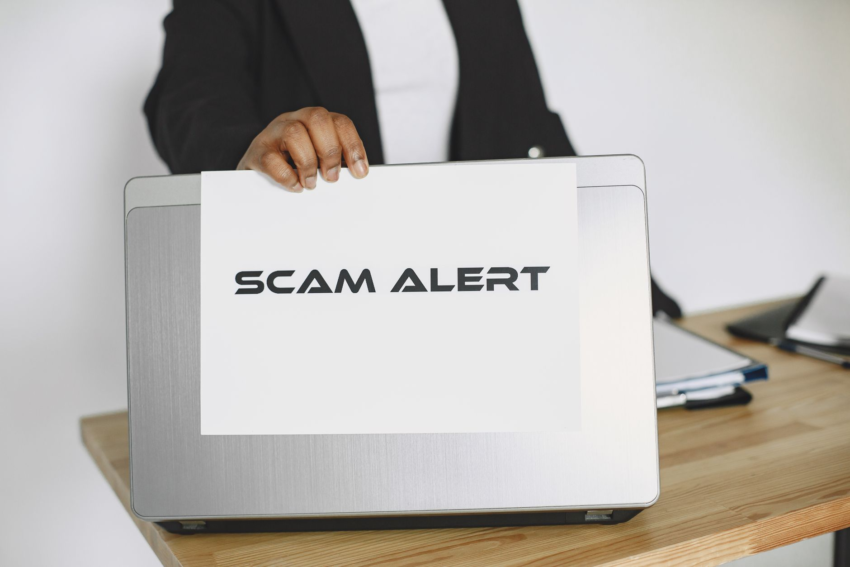
Photo: Gustavo Fring via Pexels (source)
1.6M customer records exposed in RingCentral data leak (The News International, 2026) FTC warns of “loan approved” text scam (FTC, 2026) Ransomware attacks on the rise, including Cl0p Ransomware (tech-insider.org, 2026) Digital advocates seek probe into alleged Baguio ransomware attack (Inquirer.net, 2026) Ransomware protection guide available for businesses and MSPs (Acronis, 2026) Phishing susceptibility study finds scam representation affects click rates (Sommestad & Karlzén, 2024, Journal of Cybersecurity)
RingCentral Data Leak
Watch how a real fake loan approval unfolds — and the red flags that give it away.
The News International reports that 1.6 million customer records were exposed in a RingCentral data leak (The News International, 2026).
The leak is a reminder to be vigilant about data security and to monitor accounts for suspicious activity.
How to Avoid This Scam
- Monitor your accounts for suspicious activity
- Use strong, unique passwords for all accounts
- Enable two-factor authentication when possible

Fake Loan Approved Text Scam
The FTC warns of a “loan approved” text scam, where scammers send texts claiming a loan has been approved, even if the recipient never applied for one (FTC, 2026).
The scam is designed to trick people into revealing sensitive financial information.
How to Avoid This Scam
- Be cautious of unexpected texts or calls about loan approvals
- Never provide financial information in response to an unsolicited message
- Verify the authenticity of the message by contacting the lender directly

Cl0p Ransomware Attack
Tech-insider.org reports that Cl0p Ransomware has hit PTC Windchill, exploiting a vulnerability (tech-insider.org, 2026).
Ransomware attacks can have devastating consequences for individuals and businesses.
How to Avoid This Scam
- Keep software up to date with the latest security patches
- Use antivirus software and a firewall to protect against malware
- Regularly back up important data to prevent losses in case of an attack
Baguio Ransomware Attack
Digital advocates are seeking a probe into an alleged ransomware attack in Baguio (Inquirer.net, 2026).
The attack highlights the importance of being prepared for ransomware attacks.
How to Avoid This Scam
- Be cautious of suspicious emails or links that could be used to spread ransomware
- Use strong passwords and enable two-factor authentication
- Regularly back up important data to prevent losses in case of an attack
Ransomware Protection Guide
Acronis has released a comprehensive guide to ransomware protection for businesses and MSPs (Acronis, 2026).
The guide provides valuable insights and tips for protecting against ransomware attacks.
How to Avoid This Scam
- Implement a robust backup and disaster recovery plan
- Use antivirus software and a firewall to protect against malware
- Regularly update software and operating systems with the latest security patches
What the Research Actually Says
Research has shown that phishing susceptibility can be affected by the representation of the scam in the message (Sommestad & Karlzén, 2024, Journal of Cybersecurity).
Another study found that older adults are more likely to suffer from fraud, but not necessarily from online channels (Kemp & Erades Pérez, 2023, International Journal of Environmental Research and Public Health).
A study on risk and protective factors for children with autism found that there are potential risk and protective factors that may impact the likelihood of victimization (Pfeffer, 2014, Journal of Family Strengths).
Today’s Family Safety Checklist
- Monitor accounts for suspicious activity and report any unusual transactions (Kemp & Erades Pérez, 2023, International Journal of Environmental Research and Public Health)
- Use strong, unique passwords for all accounts and enable two-factor authentication when possible (Sommestad & Karlzén, 2024, Journal of Cybersecurity)
- Be cautious of unexpected texts or calls about loan approvals and never provide financial information in response to an unsolicited message (FTC, 2026)
- Regularly back up important data to prevent losses in case of a ransomware attack (Acronis, 2026)
SUPPORT KEMETIC MINDS
Enjoying this coverage? Back the work and find every way to connect with us in one place.
Support the Page →Kemetic Minds Analysis
Today’s briefing pulled from 5 news sources and 3 peer-reviewed studies. Today’s strongest research signal comes from Journal of Family Strengths (2014), cited 4 times — the kind of study worth weighing more heavily than a single news anecdote. The pattern worth watching isn’t any single scam headline — it’s whether today’s news matches what the research already predicts about who gets targeted and what actually reduces risk, or whether it’s a genuinely new variant the literature hasn’t caught up to yet.
References
- Bing News. (2026, August 15). The FTC says that 'loan approved' text is a fast-spreading scam built to empty your bank account. msn.com
- The News International. (2026, August 15). 1.6m customer records exposed in RingCentral data leak – The News International. news.google.com
- Inquirer.net. (2026, August 15). Digital advocates seek probe into alleged Baguio ransomware attack – Inquirer.net. news.google.com
- Acronis. (2026, August 15). Ransomware protection for businesses and MSPs: the complete guide – Acronis. news.google.com
- tech-insider.org. (2026, August 16). Cl0p Ransomware Hits PTC Windchill: CVE-2026-12569 – tech-insider.org. news.google.com
- Pfeffer (2014). Risk and Protective Factors for the Safety of Children with Autism: A Qualitative Study of Caregivers’ Perspectives. Journal of Family Strengths. doi.org/10.58464/2168-670x.1252
- Sommestad, Karlzén (2024). The unpredictability of phishing susceptibility: results from a repeated measures experiment. Journal of Cybersecurity. doi.org/10.1093/cybsec/tyae021
- Kemp, Erades Pérez (2023). Consumer Fraud against Older Adults in Digital Society: Examining Victimization and Its Impact. International Journal of Environmental Research and Public Health. doi.org/10.3390/ijerph20075404
Investigative Methodology: This briefing is generated on a fixed daily schedule (6:00 AM, America/Chicago) from live news wires and the CrossRef scholarly database. Every news claim is grounded in fetched source text with an APA7 in-text citation. Every peer-reviewed source is a real, DOI-verifiable journal article — filtered to results with a named author list, a named journal, and at least 3 citations to screen out predatory or uncited entries — never a fabricated or paraphrased-from-memory study. Every video embed is verified to be a real, existing video via YouTube’s oEmbed endpoint before publication. The featured image is a real photograph sourced from Pexels, not an AI-generated image. No Wikipedia sources are used.
Stay Connected

Kemetic Minds Editorial Desk
Verified NewsroomPrimary-sourced investigative intelligence on civil rights, voting rights, federal policy, and consumer protection. Sourced from primary legal filings, government statistics, and direct field reporting.