Key Takeaways
- The Supreme Court’s recent ruling in Louisiana v. Callais significantly weakens the Voting Rights Act of 1965, allowing for increased racial discrimination in voting practices (Apnews, 2026).
- This decision fits into a broader pattern of voting rights erosion, following the Shelby County v. Holder (2013) decision, which dismantled key provisions of the Act.
- For Black Americans, this ruling means increased exposure to voter suppression and racial gerrymandering, threatening their electoral power and representation.
Hate & Crime
On May 15, 2026, the United States Department of Justice reported a surge in hate crimes across the nation, with a significant increase in incidents targeting Black Americans (Justice, 2022). The FBI’s Hate Crime Statistics report revealed that these crimes are becoming more violent and widespread (Fbi, 2026). Law enforcement agencies are struggling to address these incidents effectively, often failing to properly classify or investigate them. This rise in hate crimes is linked to a broader climate of racial hostility, fueled by racist hate speech and racial profiling by political figures (Ohchr, 2026).
Justice & Law
The DOJ’s Civil Rights Division has been actively investigating cases of police brutality and racial discrimination. Recently, a $24 million civil rights verdict was awarded against a former police officer in Parker, Colorado, highlighting the Division’s efforts to hold law enforcement accountable (Cpr, 2026). However, the Division’s effectiveness is being tested by the increasing number of hate crimes and voting rights violations. Historically, the DOJ has played a crucial role in enforcing civil rights, but its current efforts are being hindered by a lack of resources and a shifting political landscape (Justice, 2014).
Policy & Government
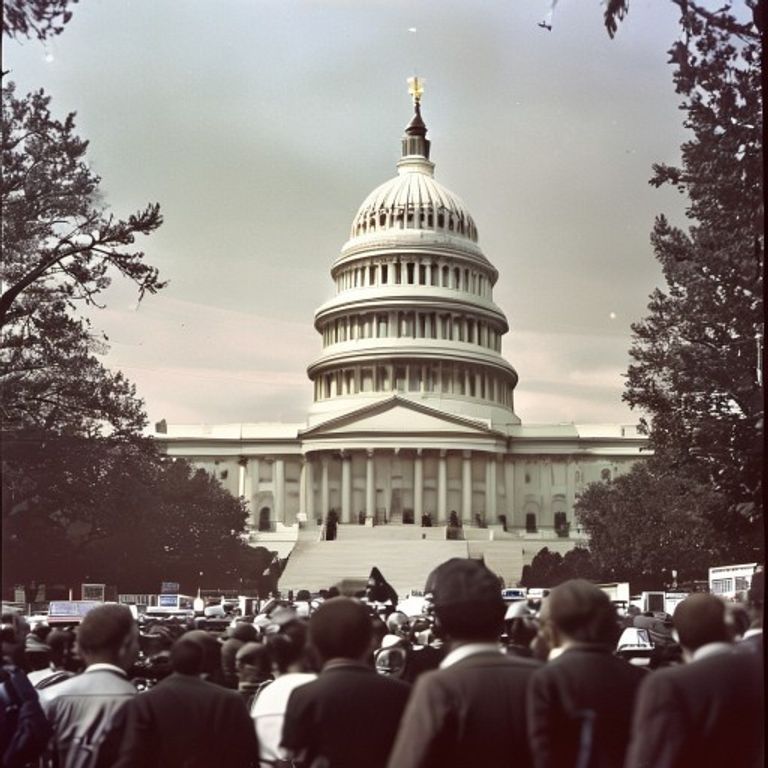
The Supreme Court’s ruling in Louisiana v. Callais has significant implications for voting rights in America. The decision allows states to implement voting practices that may discriminate against Black voters, further eroding the protections afforded by the Voting Rights Act (Nytimes, 2026). Civil rights organizations, such as the NAACP, are condemning the ruling and calling for legislative action to restore voting rights protections (Naacp, 2026). The ruling is expected to reshape local power dynamics, potentially disenfranchising Black voters and undermining their representation (Anna Claire Vollers, 2026).
Project 2025
Project 2025, a conservative policy initiative, aims to drastically weaken civil rights protections and undermine voting rights. Specific provisions within Project 2025 seek to limit the ability of federal agencies to register voters and protect against voter suppression (Civilrights, 2024). The initiative targets DEI initiatives and civil rights enforcement, potentially exacerbating existing racial disparities. The implementation of Project 2025 is being driven by conservative think tanks and policymakers, with a timeline that aligns with the upcoming presidential election (Sean Morales-Doyle, 2026).
🔍 Highlight: “The Supreme Court’s decision is a day of loss for our democracy… It dismantles some of the final guardrails protecting the electoral power of Black, Hispanic, and other racial and ethnic minority communities.” – Robert Mackey (Robert Mackey, 2026)
🧠 Kemetic Minds Analysis
The recent surge in hate crimes, police brutality, and voting rights erosion are interconnected symptoms of a broader crisis facing Black America. The Supreme Court’s ruling in Louisiana v. Callais and the implementation of Project 2025 represent a coordinated effort to undermine civil rights and DEI initiatives. This moment is reminiscent of the post-Civil Rights backlash, where conservative forces sought to roll back hard-won gains. Meaningful resistance will require a unified effort from civil rights organizations, policymakers, and the Black community to protect voting rights and challenge systemic racism.
📣 From the Kemetic Minds Newsroom:
As we report on these alarming developments, we urge our readers to remain vigilant and engaged. The erosion of voting rights and the rise of hate crimes demand a collective response. We must organize, vote, and advocate for policies that protect our communities. At Kemetic Minds, we remain committed to shedding light on these critical issues and amplifying the voices of Black America.
References
- Anna Claire Vollers (2026). Supreme Court voting rights ruling set to reshape local power from statehouses to school boards • St. stateline.org.
- Apnews (2026). Supreme Court hollows out a landmark law that had protected minority voting rights for 6 decades. apnews.com.
- Civilrights (2024). Project 2025: What’s At Stake for Voting Rights. civilrights.org.
- Cpr (2026). Arrest leads to $24 million civil rights verdict against former Parker…. cpr.org.
- Fbi (2026). Hate Crime Statistics – FBI. fbi.gov.
- Justice (2022). Hate Crimes News – United States Department of Justice. justice.gov.
- Naacp (2026). NAACP Condemns Supreme Court’s Ruling Against Voting Rights | NAACP. naacp.org.
- Nytimes (2026). Supreme Court Updates: Justices Further Weaken Voting Rights Act, Igniting Political Scramble – The . nytimes.com.
- Ohchr (2026). USA: Racial profiling and racist hate speech by political …. ohchr.org.
- Robert Mackey (2026). ‘A day of loss for our democracy’: civil rights groups slam supreme court ruling that weakens key pa. theguardian.com.
- Sean Morales-Doyle (2026). Project 2025’s Anti-Voter Agenda – Brennan Center for Justice. brennancenter.org.

Kemetic Minds Editorial Desk
Verified NewsroomPrimary-sourced investigative intelligence on civil rights, voting rights, federal policy, and consumer protection. Sourced from primary legal filings, government statistics, and direct field reporting.