Freedmen News Watch · October 12, 2026, 6:20 PM CDT
Key Facts
- Historic bricks created by formerly enslaved people return to Freedmen’s Town (via ABC13 Houston)
Historic bricks created by formerly enslaved people return to Freedmen’s Town.
Monday, October 12, 2026 9:28PM HOUSTON, Texas (KTRK) —
After years of legal wrangling, people in Freedmen’s Town are celebrating what they call a victory. The community will get back historic bricks made by formerly enslaved people.
City officials have agreed to reinstall the bricks where they were originally placed, just southwest of downtown, in what was historically called Freedmen’s Town. The area is now usually called Fourth Ward or Midtown.
But this is where many formerly enslaved people settled after the Civil War, simply because they weren’t allowed in most of our city. In the early 1900s, city officials refused to pave the streets, so the residents did it themselves.
“These bricks were handmade on Buffalo Bayou by the very hands of Freedmen in this community,” Pastor Pervis Hall explained.[1]
Where It Happened
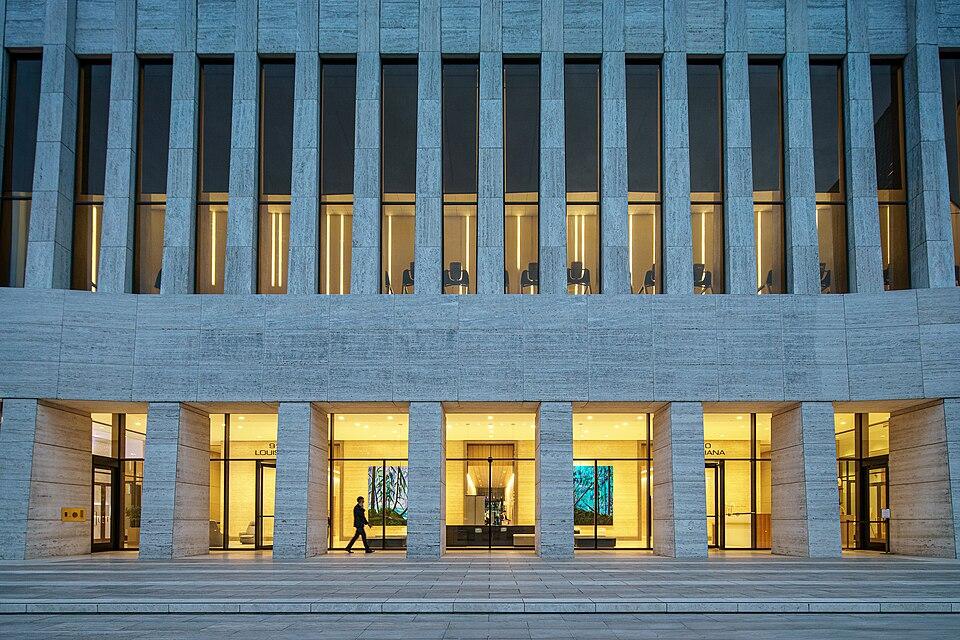
The pin marks Houston as named in the report, not an exact address. Map data: OpenStreetMap contributors. Street photo (2024): Kenneth C. Zirkel, Wikimedia Commons, CC BY 4.0.
About the Freedmen News Watch
This series follows the news that bears on Black American freedmen and their descendants, the people freed from slavery in this country: citizenship and treaty-rights cases such as the Cherokee, Creek and Seminole Freedmen, the Dawes Rolls and Freedmen’s Bureau records, heirs’ property and Black land loss, reparations and descendant-based programs, and the history and memory of emancipation. It covers the hard news and the good news alike. Every passage is quoted as reported and linked to its source, and nothing is generated. The photograph on each post is a public-domain file photo from Wikimedia Commons, credited, and shows a place or monument, not the people in the story.
How to Verify This Yourself
Read the original reporting directly at ABC13 Houston — that page is the primary source for everything above.
References
Investigative methodology: this update was produced by scripts/topic_news_roundup.py from real ABC13 Houston reporting — not a language model. The quoted text above is verbatim from the source, cited; no analysis or interpretation is added.
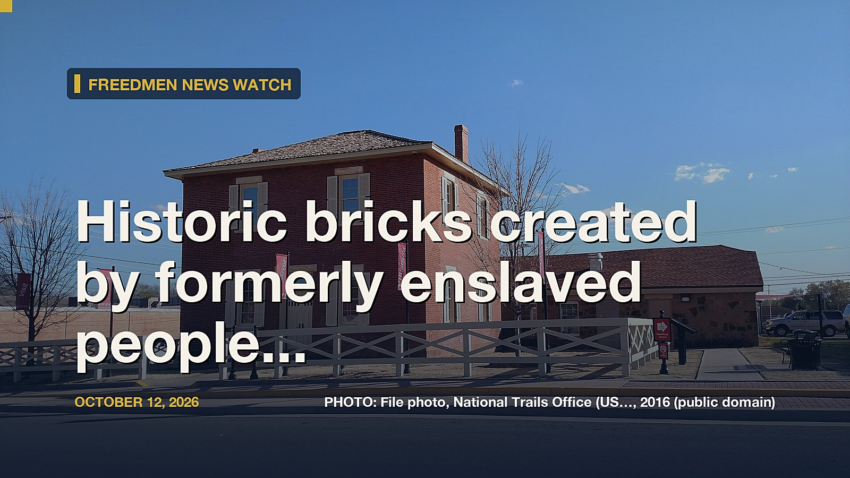
File photo: The exterior of the Cherokee National Supreme Court Museum in Tahlequah, Oklahoma (0c9bfdfd-54db-422b-85d7-786908473ff7) — National Trails Office (US National Park Service), 2016. Public domain, via Wikimedia Commons. This image is illustrative and does not depict the people or events in this report.

Kemetic Minds Editorial Desk
Verified NewsroomPrimary-sourced investigative intelligence on civil rights, voting rights, federal policy, and consumer protection. Sourced from primary legal filings, government statistics, and direct field reporting.